
Copper tubes are widely applied in refrigeration, HVAC, automotive and industrial heat exchange systems due to their excellent thermal conductivity, ductility and corrosion resistance. In industrial production, cutting is a fundamental and essential procedure for copper tube processing. However, the unique physical properties of copper and strict industrial standards make precision copper tube cutting a technically challenging process, which requires sophisticated equipment and skilled operational control.
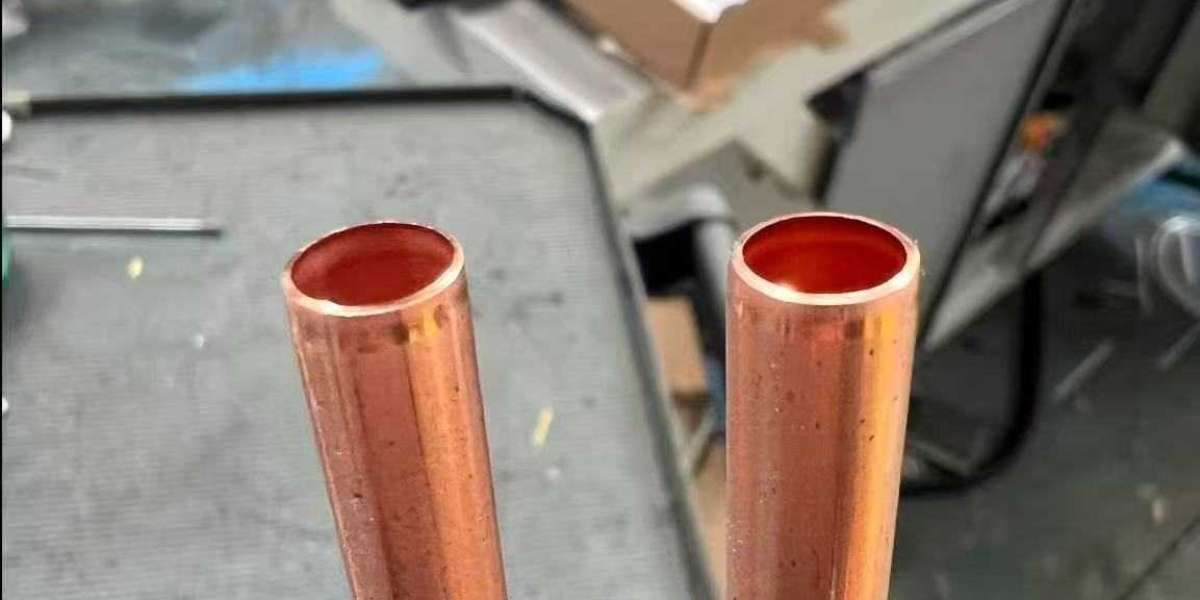
The primary difficulty stems from copper’s inherent material characteristics. Copper features low hardness and high ductility, distinguishing it from rigid metal materials like steel. When subjected to external cutting force, soft copper tubes are prone to extrusion deformation, tube wall collapse and diameter distortion. Excess clamping force will dent the tube body, while insufficient fixation causes vibration and offset during cutting, resulting in inclined notches and inconsistent tube lengths. Balancing clamping stability and avoiding tube deformation becomes the first key technical hurdle in the cutting process.
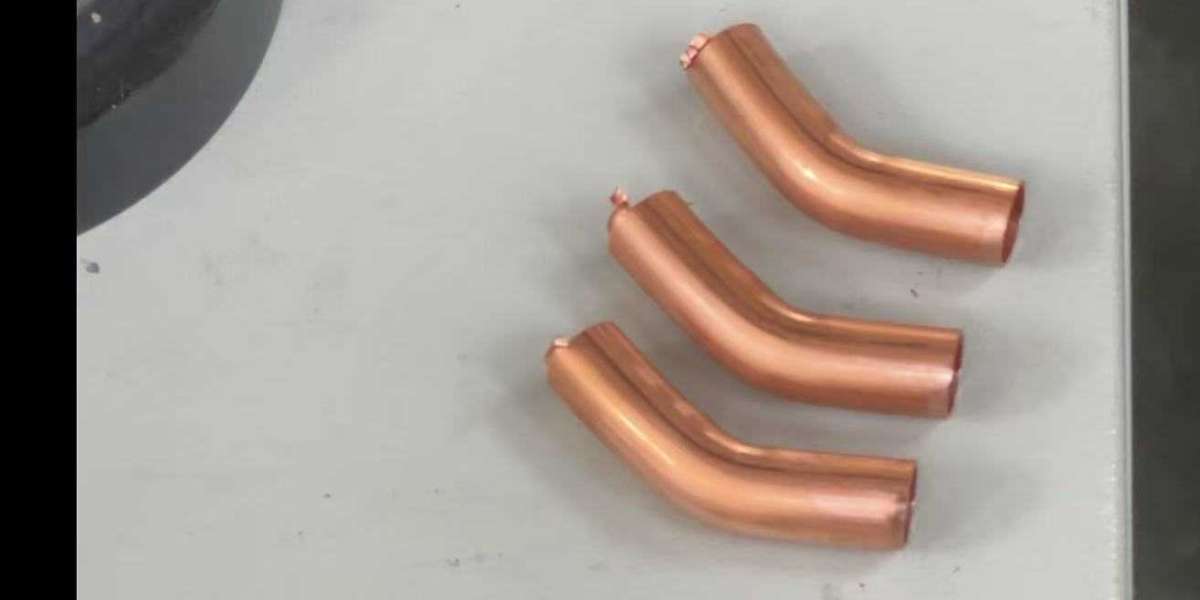
Burr formation and notch quality control further increase the processing difficulty. The high toughness of copper makes it hard to achieve clean and neat cuts. Ordinary cutting tools or improper feeding speeds tend to produce flaky burrs and tiny metal debris on the cutting edge. These defects are not only aesthetically undesirable but also severely affect subsequent assembly and pipeline sealing performance. In high-precision industries such as air conditioning and refrigeration, residual burrs may fall off during operation, block pipelines and damage mechanical components, requiring strict post-cut polishing and deburring procedures.
Thermal deformation and vibration control also pose prominent challenges. High-speed friction during cutting generates massive instantaneous heat, which softens local copper materials and causes tensile tearing at the incision. Meanwhile, the slender tubular structure of copper tubes leads to inevitable mechanical vibration during operation, triggering uneven cuts and dimensional errors. To address these issues, manufacturers need to optimize cutting speed, equip efficient cooling systems and adopt specialized damping fixtures, which greatly raises process complexity and production costs.
In conclusion, copper tube cutting is far more than a simple segmentation process. Its difficulties lie in the coordinated control of material deformation, notch precision, thermal stability and vibration suppression. With the upgrading of industrial manufacturing standards, higher requirements for cutting accuracy and surface quality continue to drive the innovation and optimization of copper tube cutting technologies.