
At NephCure, we are committed to helping patients, families, and caregivers better understand rare and complex kidney conditions. Two important conditions that often come up in discussions are FSGS kidney disease and IgA nephropathy. While they are different disorders, both affect kidney function and require early awareness for better long-term outcomes.
In this guide, we’ll walk you through the symptoms of fsgs, explain the nature of fsgs kidney disease, and explore the causes of iga nephropathy in a simple, clear, and supportive way.
Understanding FSGS Kidney Disease
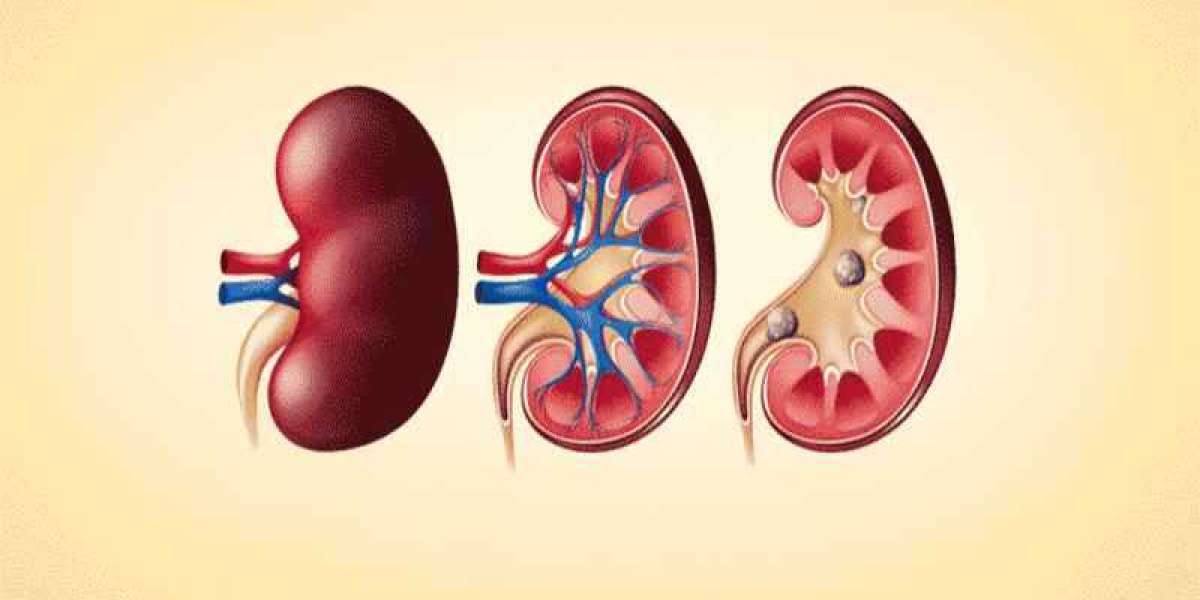
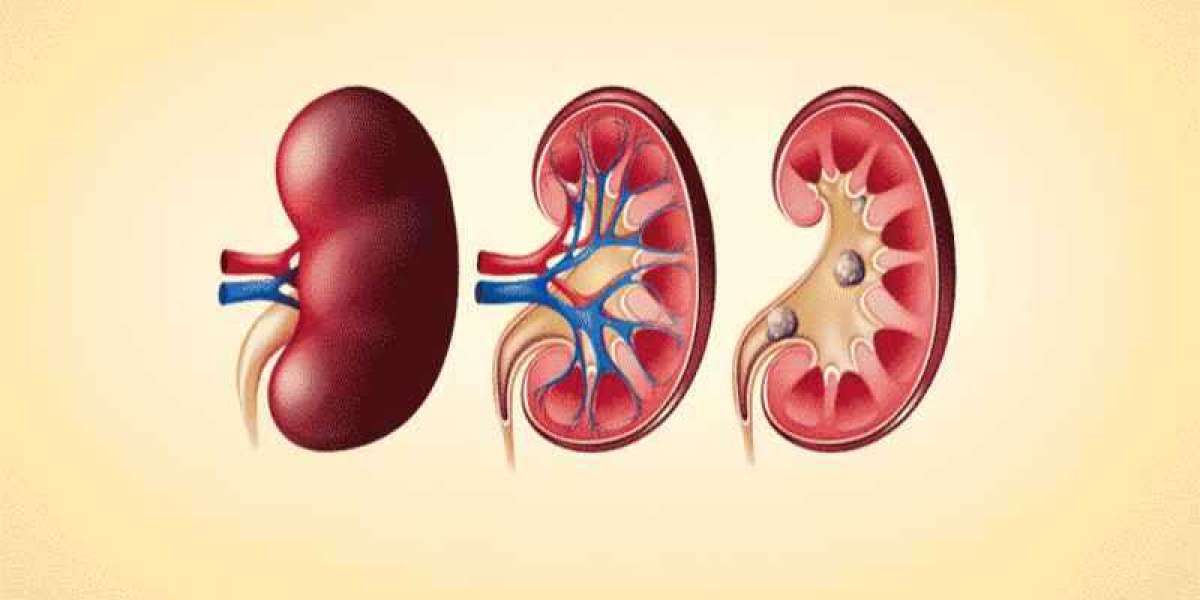
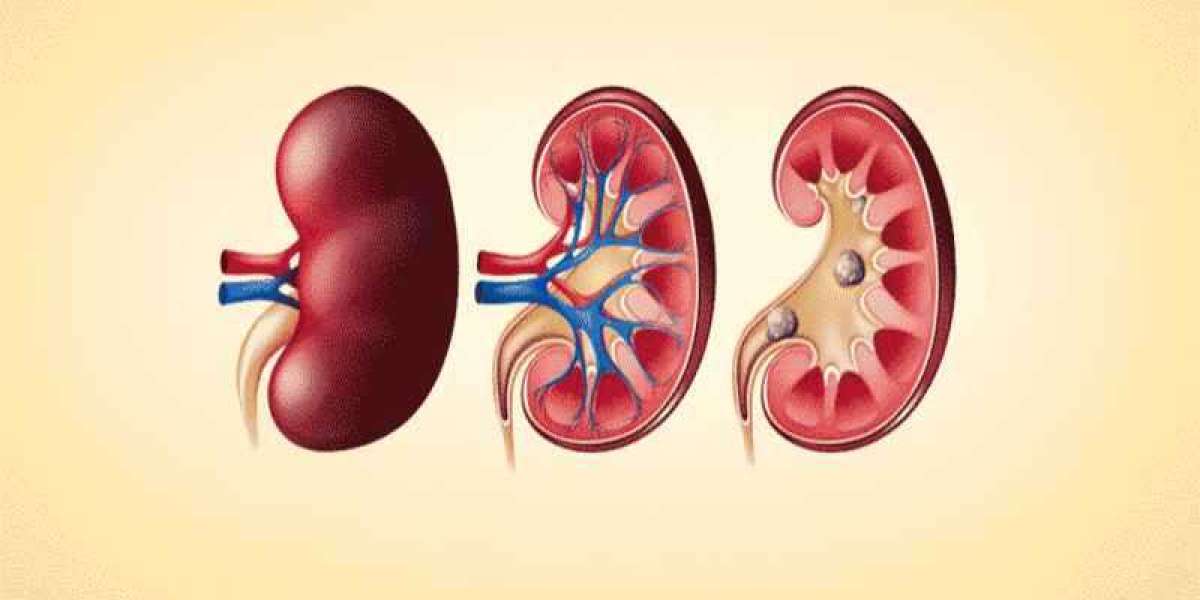
FSGS kidney disease (Focal Segmental Glomerulosclerosis) is a condition that affects the kidney’s filtering units, called glomeruli. These filters are responsible for removing waste and excess fluid from the blood while keeping essential proteins in the body.
When damage occurs in FSGS, scar tissue forms in the glomeruli. This scarring disrupts normal kidney function and leads to protein leaking into the urine, a condition known as proteinuria.
Why FSGS Matters
At NephCure, we often remind patients that early detection of fsgs kidney disease can help slow progression and improve quality of life. The condition may develop gradually or appear suddenly, depending on the underlying cause.
Symptoms of FSGS: What to Watch For
Recognizing the symptoms of fsgs early can make a major difference in managing the disease effectively. Many symptoms are linked to the loss of protein in the urine and reduced kidney function.
Common Symptoms of FSGS Include:
- Swelling (edema), especially in the legs, ankles, and around the eyes
- Foamy or bubbly urine due to excess protein
- Sudden weight gain from fluid retention
- Fatigue and low energy levels
- Reduced appetite
- High blood pressure
- Increased frequency of urination, especially at night
Why These Symptoms Happen
The symptoms of fsgs occur because the kidneys are no longer able to properly filter blood. As protein escapes into urine, the body loses important nutrients that help maintain fluid balance and overall health.
At NephCure, we encourage individuals to pay attention to these early warning signs and seek medical evaluation promptly.
How FSGS Kidney Disease Progresses
The progression of fsgs kidney disease can vary widely from person to person. Some individuals experience slow changes over many years, while others may see faster decline in kidney function.
Factors that influence progression:
- Type of FSGS (primary, secondary, or genetic)
- Response to treatment
- Blood pressure control
- Lifestyle and diet
- Early diagnosis and intervention
Without proper management, FSGS can eventually lead to chronic kidney disease (CKD) or kidney failure. However, with timely care and support from organizations like NephCure, many patients are able to manage symptoms effectively.
Causes of IgA Nephropathy Explained
Moving to another important condition, let’s explore the causes of iga nephropathy. IgA nephropathy is a kidney disease that occurs when an antibody called immunoglobulin A (IgA) builds up in the kidneys, causing inflammation and damage.
What Triggers IgA Nephropathy?
The exact cause is not always clear, but researchers believe it involves an abnormal immune system response.
Common contributing factors include:
1. Immune System Abnormalities
The body produces abnormal IgA antibodies that accumulate in the kidneys, triggering inflammation.
2. Genetics
Family history may increase the risk of developing IgA nephropathy, suggesting a genetic component in some cases.
3. Infections
Respiratory and gastrointestinal infections may trigger flare-ups or worsen symptoms.
4. Liver Function Issues
The liver helps clear IgA from the body, and reduced liver function may contribute to buildup.
5. Environmental and Lifestyle Factors
While not direct causes, stress, diet, and overall health may influence disease activity.
Understanding the causes of iga nephropathy helps doctors develop better treatment strategies and monitor disease progression more effectively.
Comparing FSGS Kidney Disease and IgA Nephropathy
Although fsgs kidney disease and IgA nephropathy are different conditions, they share some similarities:
- Both affect the kidney’s filtering system
- Both can lead to proteinuria and blood in urine
- Both may progress to chronic kidney disease if untreated
- Both require ongoing monitoring and medical care
However, their underlying mechanisms are different. FSGS is mainly related to scarring of kidney filters, while IgA nephropathy is driven by immune system activity.
At NephCure, we emphasize accurate diagnosis because treatment approaches depend heavily on identifying the correct condition.
Supporting Kidney Health: What Patients Can Do
Whether dealing with fsgs kidney disease or IgA nephropathy, supportive care plays a crucial role in managing symptoms and slowing progression.
NephCure recommends:
- Regular kidney function testing
- Blood pressure monitoring
- Reducing salt intake to control swelling
- Staying physically active within comfort limits
- Following prescribed medications consistently
- Avoiding smoking and excessive alcohol
These steps help protect kidney function and improve long-term outcomes.
NephCure’s Role in Education and Support
At NephCure, our goal is to empower patients with knowledge about conditions like FSGS and IgA nephropathy. We focus on:
- Raising awareness about the symptoms of fsgs
- Supporting research for better treatments
- Educating families about fsgs kidney disease
- Helping patients understand the causes of iga nephropathy
- Building strong patient support communities
We believe that informed patients are better equipped to make confident decisions about their care journey.
Final Thoughts
Understanding the symptoms of fsgs, recognizing the challenges of fsgs kidney disease, and learning the causes of iga nephropathy are essential steps toward better kidney health awareness.