
In today’s connected world, scheduling is no longer limited to one city or one country. People work with international clients, remote employees, overseas suppliers, global customers, online students, and digital teams across many time zones. A meeting that is convenient for one person may be too early, too late, or even on a different date for someone else. This is why using UTC time now for global scheduling is so important.
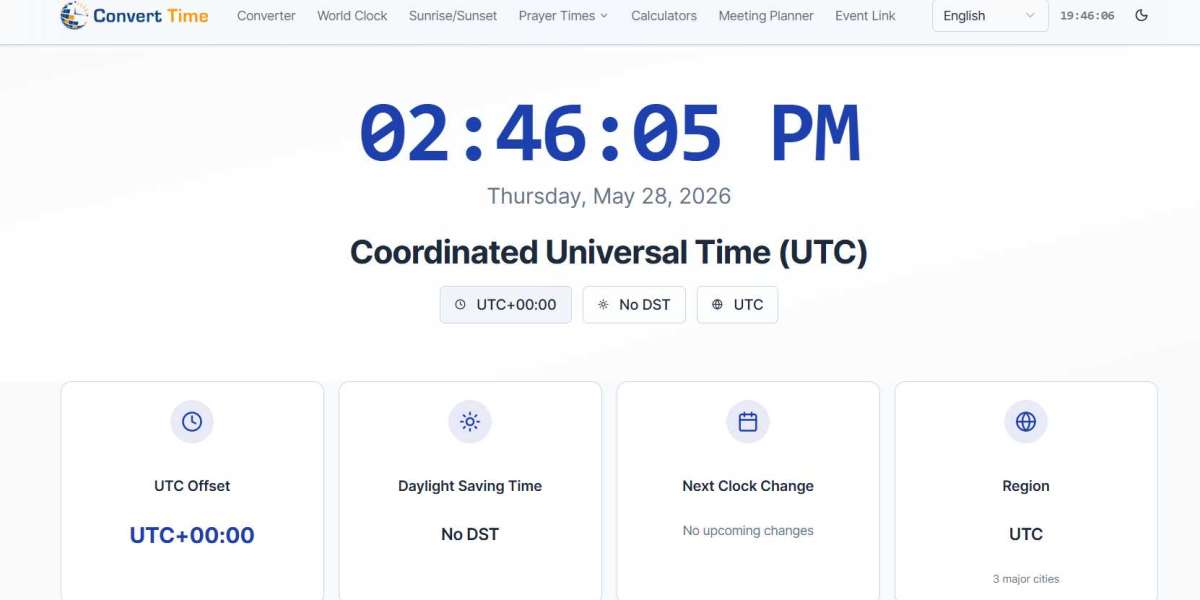
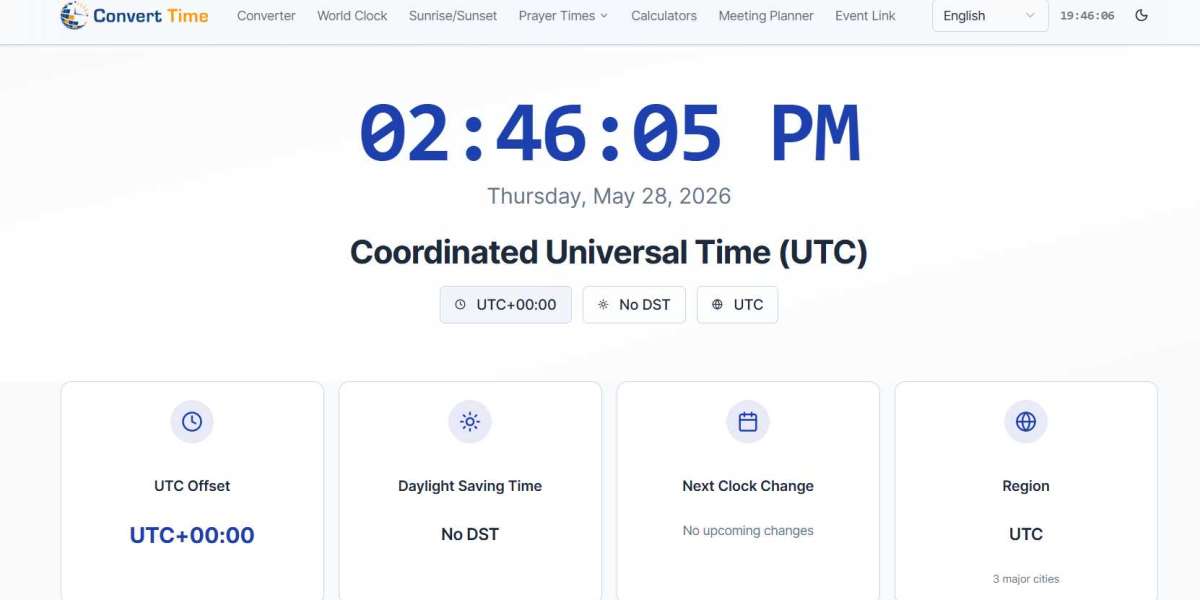
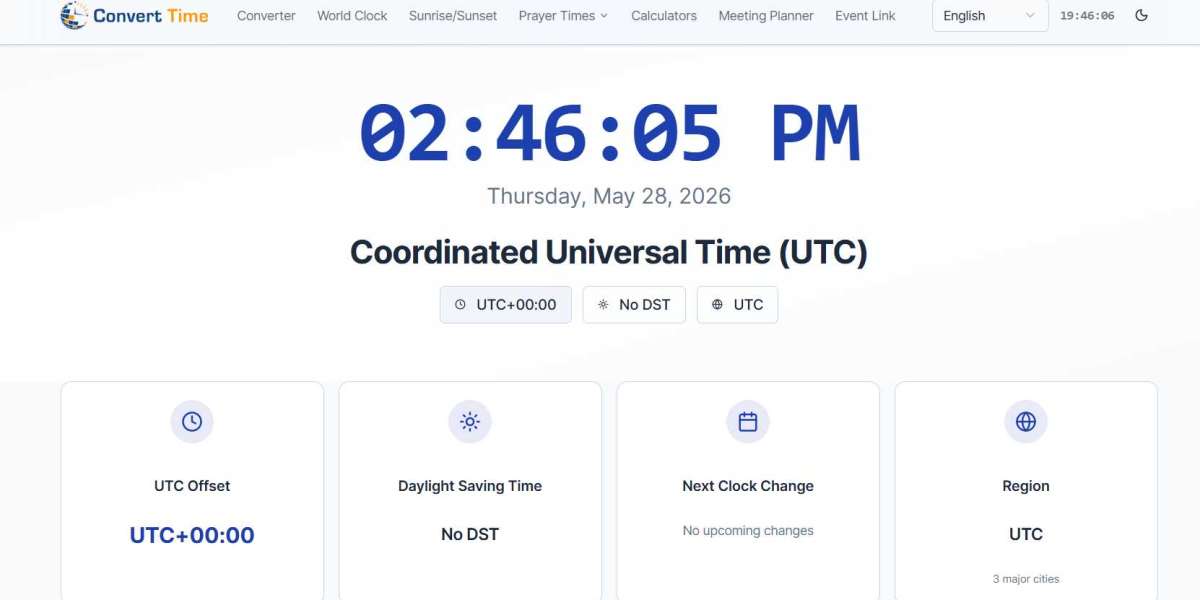
UTC stands for Coordinated Universal Time. It is the world’s main time standard and is used as the base for all time zones. When someone checks UTC time now, they are checking the current universal time at that exact moment. For global scheduling, UTC gives everyone one clear reference point, making it easier to plan meetings, deadlines, events, launches, and online activities across different countries.
What Is UTC Time Now?
UTC time now means the current time according to Coordinated Universal Time. It is not based on your local city, country, or region. Instead, it works as a universal time reference used around the world.
Every local time zone is calculated by adding or subtracting hours from UTC. This difference is called a UTC offset.
For example, Pakistan Standard Time is UTC+5, which means Pakistan is 5 hours ahead of UTC. If UTC time now is 10:00 AM, then the local time in Pakistan is 3:00 PM.
If another location follows UTC-4, it means that place is 4 hours behind UTC. If UTC time now is 10:00 AM, then the local time there is 6:00 AM.
This simple system makes UTC very helpful when scheduling across multiple time zones.
Why Global Scheduling Needs UTC
Global scheduling becomes difficult when people use only their local time. If someone says, “The meeting is at 4:00 PM,” others may not know which time zone that means. It could be 4:00 PM in Pakistan, London, Dubai, New York, Sydney, or another location.
When the time is written as 4:00 PM UTC, everyone has one clear starting point. Each person can convert that time into their own local time zone.
This is why UTC is useful for global scheduling. It removes confusion and helps everyone understand the exact time, no matter where they are located.
UTC Time Now Helps Avoid Time Zone Confusion
Time zone confusion is one of the biggest problems in international planning. Different countries follow different local times. Some countries are ahead of UTC, while others are behind UTC. Some regions use half-hour offsets, such as UTC+5:30. Some countries also follow daylight saving time, which changes local clocks during certain months.
UTC itself does not change for daylight saving time. It remains stable all year. This makes it a reliable reference for global scheduling.
For example, New York may be UTC-5 during standard time and UTC-4 during daylight saving time. If you use old time difference information, your meeting may be one hour wrong. Checking UTC time now and using a reliable converter helps avoid this mistake.
UTC Time Now Makes Meetings Easier
Online meetings are one of the most common reasons people use UTC. Remote teams, freelancers, agencies, consultants, students, and global businesses often need to schedule calls with people in different countries.
If a meeting is scheduled at 10:00 AM UTC, each participant can convert that time into their own local time. A person in Pakistan will know it is 3:00 PM, while a person in Dubai will know it is 2:00 PM.
This makes meeting invites clearer. It also reduces missed calls, late arrivals, and repeated questions like, “What time is that for me?”
For important meetings, it is even better to include both UTC and local time, such as:
Meeting time: 10:00 AM UTC / 3:00 PM Pakistan Time
UTC Time Now Makes Deadlines Clearer
Deadlines can become confusing when people are located in different countries. A deadline like “submit by Friday midnight” may not be clear because midnight happens at different times around the world.
Using UTC makes deadlines more accurate. For example:
Submit the report by Friday at 11:59 PM UTC.
This gives everyone the same official deadline. Whether a person is in Asia, Europe, the Middle East, North America, or Australia, they can convert the UTC deadline into their local time.
This is especially useful for project submissions, job applications, contests, software releases, payment deadlines, and client deliverables.
UTC Time Now Supports Remote Teams
Remote teams often work across different time zones. One employee may be in Pakistan, another in the United Kingdom, another in Canada, and another in Australia. Without a shared time standard, scheduling can become messy.
UTC time now helps remote teams stay organized. Teams can use UTC for daily standups, weekly meetings, project deadlines, sprint planning, product launches, and reporting times.
UTC is also helpful for asynchronous work. If someone posts an update at 9:00 AM UTC, everyone can understand when it happened, even if they were offline at that moment.
This keeps communication clear and helps teams work smoothly across different schedules.
UTC Time Now Helps Businesses Operate Globally
Businesses that serve global customers need accurate scheduling. They may need to plan product launches, online sales, support hours, email campaigns, payment deadlines, shipping updates, and international calls.
Using UTC gives businesses one official time reference. For example, an eCommerce store can schedule a global sale to start at 12:00 PM UTC. The marketing team, website team, sales team, and customer support team can all follow the same launch time.
UTC also helps businesses compare reports and performance data from different regions. Website visits, sales, conversions, ad clicks, and customer activity can be tracked in one consistent timeline.
UTC Time Now Is Useful for Online Events
Online events often include people from many countries. Webinars, virtual conferences, online classes, live streams, gaming tournaments, and product launches all need clear timing.
If the event time is listed only in one local time zone, international attendees may get confused. But if the event time is shown as 6:00 PM UTC, everyone can convert it into their local time.
Checking UTC time now also helps attendees understand how much time is left before the event starts. This improves attendance and reduces scheduling mistakes.
UTC Time Now Helps Developers and Digital Tools
Developers often use UTC for websites, apps, databases, servers, APIs, cloud platforms, analytics tools, and software logs. This is because digital platforms may serve users from different time zones.
If every user action is stored in local time, records can become confusing. By storing time in UTC, systems keep all timestamps consistent. Later, the platform can display the correct local time to each user.
For global scheduling, this is important because automated emails, reminders, notifications, software updates, and reports need accurate timing.
UTC Time Now Reduces Date Mistakes
When converting time zones, the date can change. A meeting scheduled late at night in UTC may happen the next day in countries that are ahead of UTC. A meeting early in UTC may still be the previous day in countries behind UTC.
For example, 11:00 PM UTC is 4:00 AM the next day in Pakistan. If you only check the hour and ignore the date, you may join on the wrong day.
Using UTC time now with a time converter helps you confirm both the correct time and date.
How to Use UTC Time Now for Global Scheduling
The easiest way to use UTC time now is to check an online UTC clock or UTC time converter. You can search for “UTC time now” or “current UTC time” and instantly see the live UTC time.
When scheduling globally, always mention the time zone. Avoid writing only “3:00 PM.” Instead, write “3:00 PM UTC.”
For important meetings or events, include local time conversions for key participants. Also use calendar tools that automatically adjust meeting times based on each person’s time zone.
Conclusion
You should use UTC time now for global scheduling because it gives everyone one clear and reliable time reference. It helps avoid time zone confusion, makes meetings easier, improves deadline accuracy, supports remote teams, and keeps global business operations organized.
Local time is useful for daily life, but UTC is better when people or systems are spread across different countries.