
Pipe bending machines are core industrial processing equipment widely used in machinery manufacturing, construction, and automotive industries. Their greatest advantage lies in the flexible and efficient production of pipe products with different specifications, and targeted production methods are adopted to ensure processing accuracy and product quality for pipes varying in diameter, wall thickness, material and bending angle.
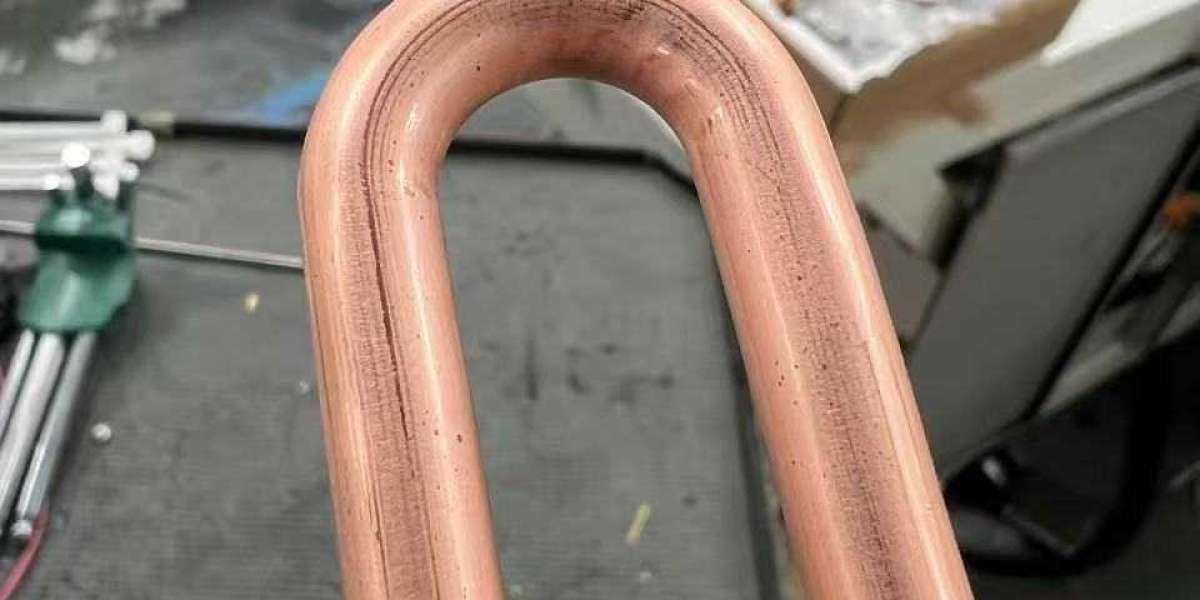
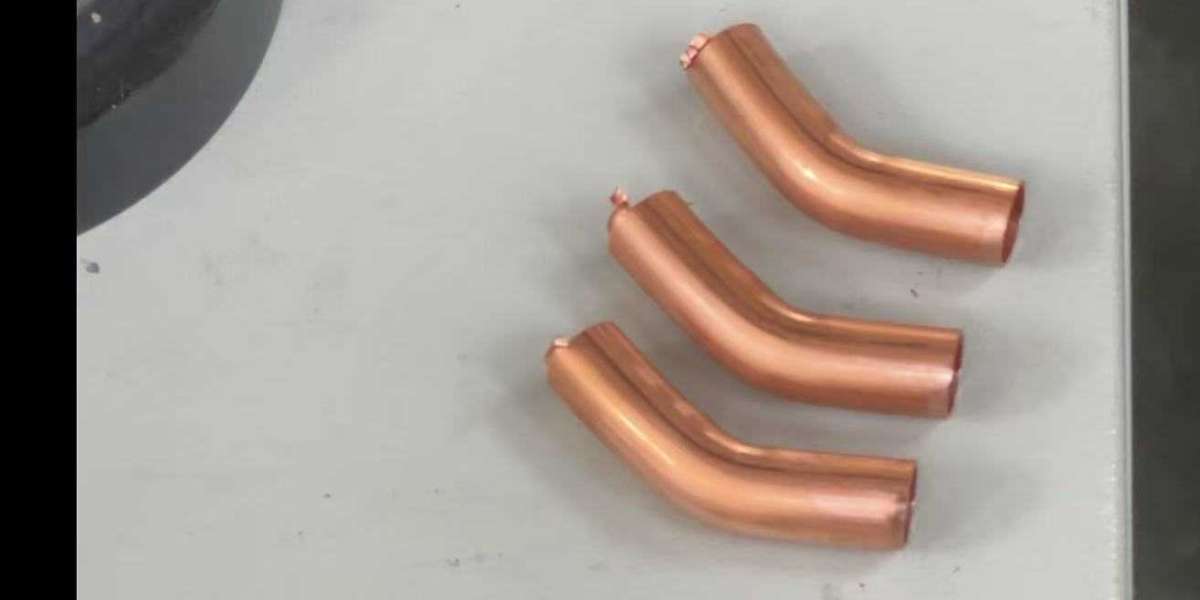
For small-specification thin-walled pipes, including small-diameter copper pipes and thin stainless steel pipes, the production focuses on precision and anti-deformation control. The machine adopts low-speed and uniform bending mode with small torque output. Workers need to replace miniature bending dies and adjust the pressure balance system to avoid pipe wall collapse and wrinkling. Meanwhile, the numerical control system is set with fine-tuned bending parameters to control the radian error within 0.1mm. This processing method is suitable for precision parts used in instrumentation and hydraulic systems, realizing high-precision batch production.
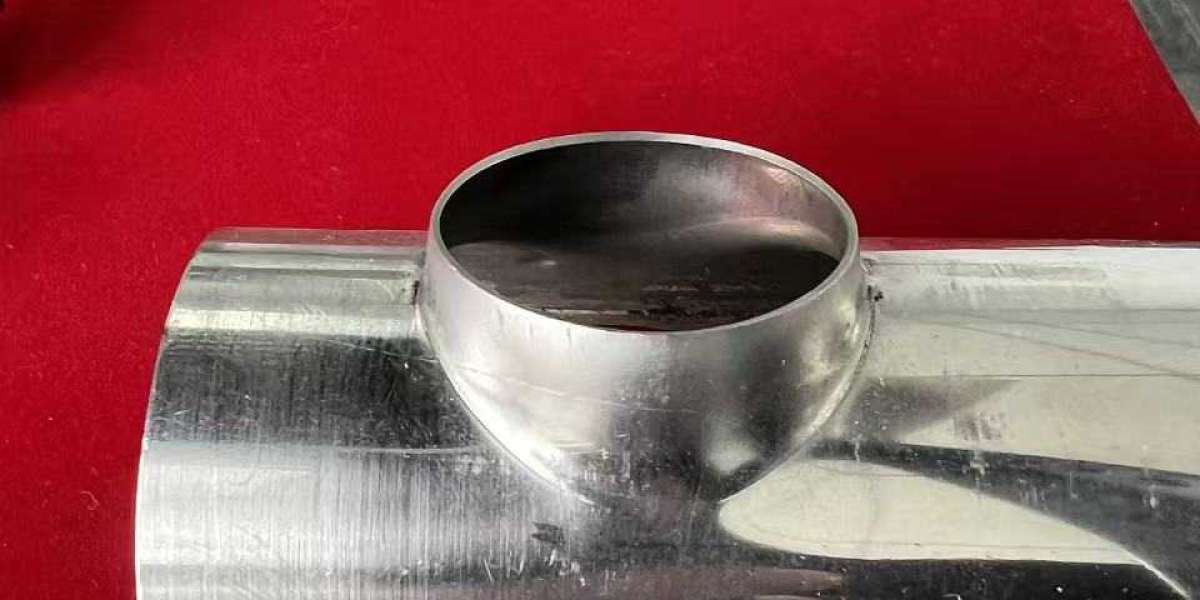
For large-specification thick-walled steel pipes applied in construction and pipeline engineering, the production prioritizes stability and bearing capacity. The pipe bending machine switches to high-power driving mode and equips with reinforced thickened dies. Different from thin-walled pipe processing, it adopts segmented gradual bending to disperse bending pressure, preventing pipe cracking and internal stress concentration. In the production process, real-time stress monitoring is carried out, and the bending speed and pressure are dynamically adjusted according to pipe hardness and wall thickness to meet the strength requirements of engineering structural parts.
In addition to size differences, material diversity also dictates differentiated production strategies. For flexible aluminum and plastic pipes, cold bending technology without heating is used to retain material toughness. For high-hardness alloy steel pipes, local preheating treatment is matched with bending processing to reduce material brittleness.
In conclusion, the adaptive production mode of pipe bending machines for different specifications relies on die replacement, parameter adjustment and process optimization. This flexible production method not only covers diverse processing demands but also effectively improves production efficiency and product qualification rate, laying a solid foundation for modern industrial personalized pipe processing.