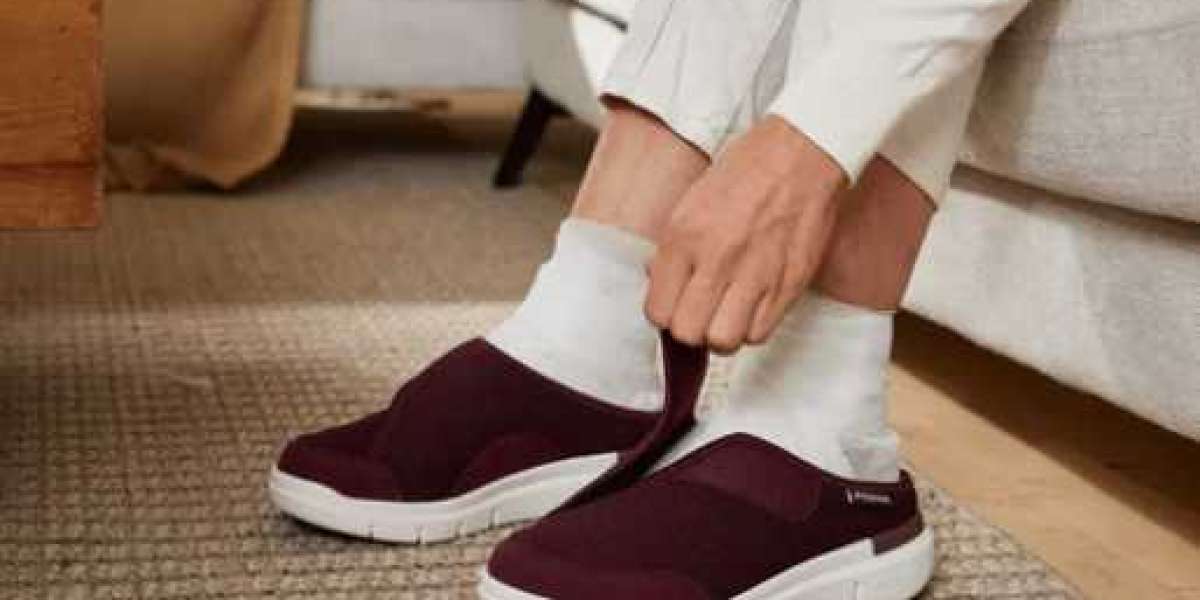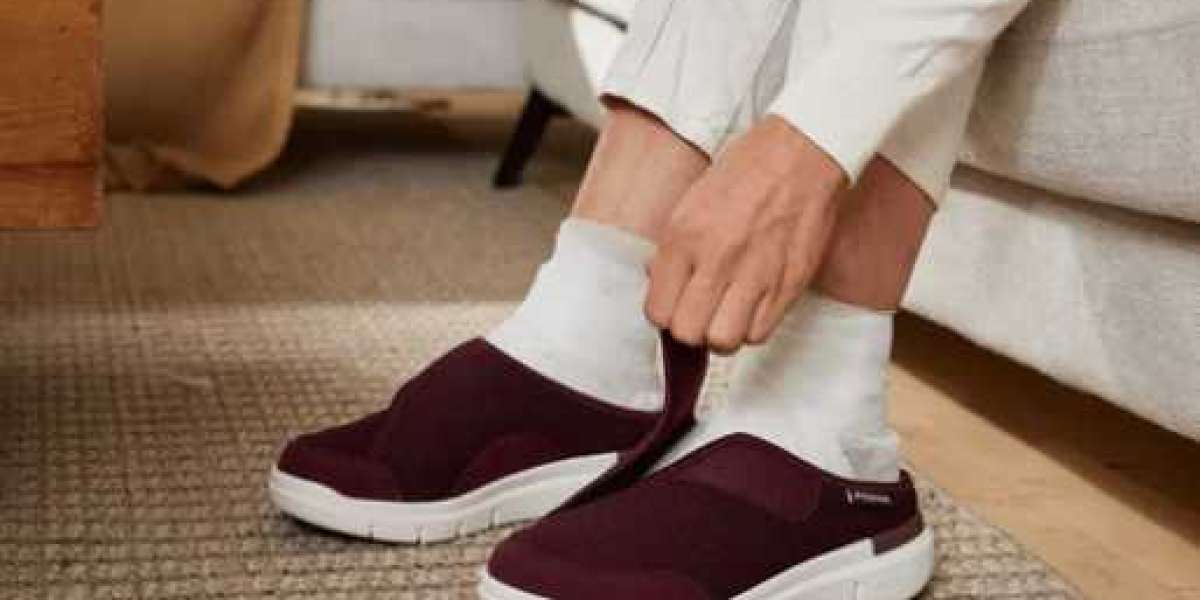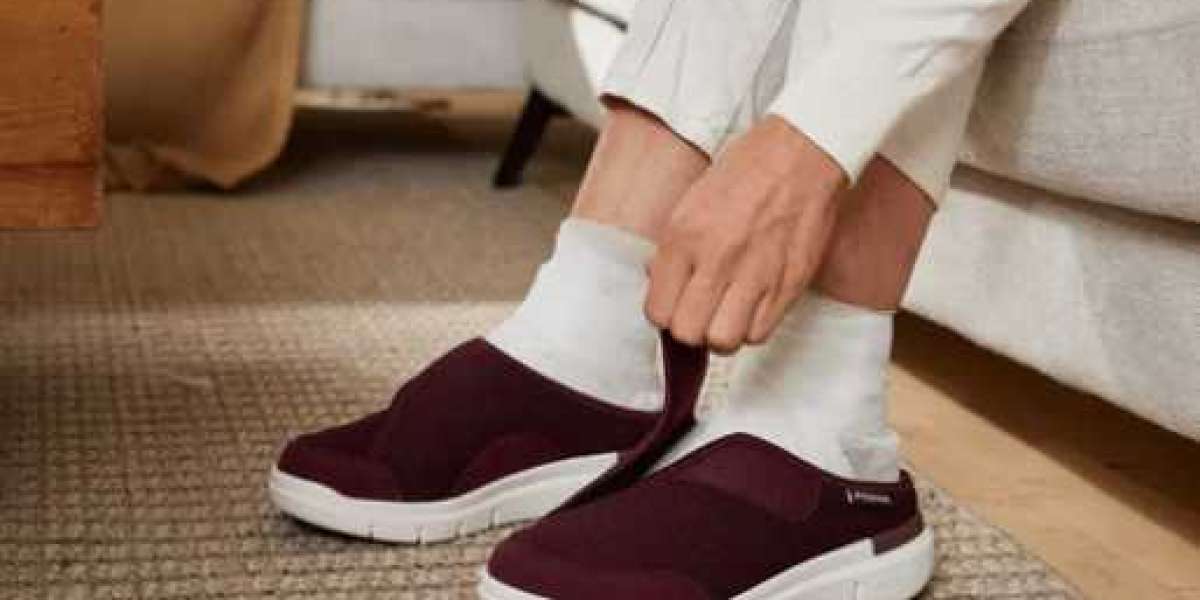

Living with diabetes means paying closer attention to foot health. For many men, everyday shoes can cause pressure points, irritation, or poor circulation that may lead to serious complications over time. That’s why diabetic shoes for men are designed differently — they focus on comfort, support, protection, and reducing injury risk.
Whether you spend long hours walking, standing at work, or simply want more comfortable footwear, choosing the right diabetic shoes can make a major difference in daily life.
What Are Diabetic Shoes?
Diabetic shoes are specially designed footwear made to protect sensitive feet. They help reduce friction, improve stability, and provide extra cushioning to minimize pressure on the feet.
Many men with diabetes experience issues such as:
- Swollen feet
- Neuropathy (nerve pain or numbness)
- Poor circulation
- Bunions or hammertoes
- Foot fatigue
- Increased risk of blisters or ulcers
Traditional shoes may feel tight or rigid, which can worsen these problems. Diabetic shoes are built with comfort-focused features that help keep feet healthier and more supported throughout the day.
Key Features to Look For
Extra Width and Wide Toe Box
One of the most important features in diabetic footwear is extra room. Shoes with wide or extra-wide sizing help reduce pressure on swollen feet and allow toes to spread naturally.
A roomy toe box is especially helpful for men dealing with:
- Bunions
- Hammertoes
- Overlapping toes
- Foot swelling
Shoes available in 2E, 4E, or even 6E widths can provide a much more comfortable fit compared to standard shoes.
Soft Interior Materials
Diabetic feet are often sensitive to rubbing and irritation. Quality diabetic shoes use soft linings and padded interiors to help prevent friction and hot spots.
Seamless interiors are another major advantage because they reduce the chance of blisters forming during long periods of walking or standing.
Cushioning and Shock Absorption
Good cushioning helps reduce stress on the feet, knees, and joints. Many diabetic shoes include:
- EVA midsoles
- Memory foam insoles
- Shock-absorbing heel pads
- Arch support systems
These features help improve comfort while also reducing fatigue throughout the day.
Adjustable Closures
Many men with diabetes experience swelling that changes throughout the day. Shoes with adjustable Velcro straps or easy slip-on designs make it easier to customize the fit without uncomfortable pressure.
Adjustable shoes are also easier to put on and take off, especially for seniors or men with mobility limitations.
Slip-Resistant Outsoles
Stability is essential for foot safety. A slip-resistant outsole can help reduce the risk of falls, especially on smooth or wet surfaces.
Look for durable rubber outsoles with strong traction patterns for better grip indoors and outdoors.
Benefits of Wearing Diabetic Shoes
Improved Comfort
Diabetic shoes are designed for all-day wear. Their cushioning, flexibility, and supportive structure help reduce foot pain and pressure.
Better Protection
Sensitive feet need extra protection from injury. Diabetic footwear helps prevent rubbing, blisters, and excessive pressure that could lead to complications.
Enhanced Stability
Supportive midsoles and wider platforms improve balance and walking stability, which can be especially important for older adults.
Reduced Foot Fatigue
Shock-absorbing soles help reduce strain during long periods of walking or standing, making everyday movement more comfortable.
How to Choose the Right Pair
When shopping for diabetic shoes, consider the following:
Measure Your Feet Regularly
Foot size can change over time, especially with swelling. Always measure both feet and choose the larger size if needed.
Prioritize Comfort Over Style
A stylish shoe is helpful, but comfort and protection should come first. The best diabetic shoes combine supportive features with a clean, versatile design.
Check for Removable Insoles
Removable insoles allow you to insert custom orthotics if needed and make cleaning easier.
Look for Breathable Materials
Mesh uppers and moisture-wicking linings help keep feet cool and dry, reducing irritation and odor buildup.
Are Diabetic Shoes Only for Severe Foot Problems?
Not at all. Many men wear diabetic shoes simply because they are more comfortable. Even if you only experience mild swelling or occasional foot pain, diabetic footwear can provide better support than traditional shoes.
They are also popular among:
- Seniors
- Men with arthritis
- People with wide feet
- Workers who stand all day
- Travelers who walk long distances
Best Types of Diabetic Shoes for Men
Different lifestyles require different shoe styles. Popular options include:
Walking Shoes
Ideal for daily exercise, errands, and long walks.
Slip-On Shoes
Convenient and comfortable for quick wear and casual use.
Athletic Sneakers
Designed for active lifestyles with extra cushioning and flexibility.
Sandals
Helpful during warmer weather, especially styles with adjustable straps and arch support.
House Shoes and Slippers
Perfect for indoor comfort while still protecting sensitive feet.
Final Thoughts
The right diabetic shoes can improve comfort, support healthier movement, and help protect your feet from unnecessary stress and injury. Features like extra width, soft interiors, cushioning, and adjustable closures can make a noticeable difference in everyday life.
If you have diabetes, investing in quality footwear is more than a comfort upgrade — it’s an important step toward long-term foot health.
Take the time to find shoes that fit properly, provide reliable support, and keep your feet comfortable wherever the day takes you.