
Choosing the right waterproofing material is one of the biggest decisions in modern infrastructure development. Whether it’s a landfill project, canal lining system, wastewater pond, tunnel waterproofing application, or industrial containment area, selecting the correct geomembrane directly affects long-term durability, maintenance costs, and overall project performance.
Honestly, many project delays and waterproofing failures happen because the wrong lining material is selected in the beginning.
Two of the most commonly used waterproofing materials today are PVC geomembrane and HDPE geomembrane. Both are widely used across civil engineering, environmental protection, mining, industrial containment, and water infrastructure projects. But they are not identical. Each material performs differently depending on the project conditions.
If you’re comparing PVC geomembrane vs HDPE geomembrane, this guide explains the key differences, benefits, applications, and factors that matter before making a final decision.
What Is PVC Geomembrane?
PVC geomembrane is a flexible waterproofing membrane designed for seepage control and liquid containment applications.
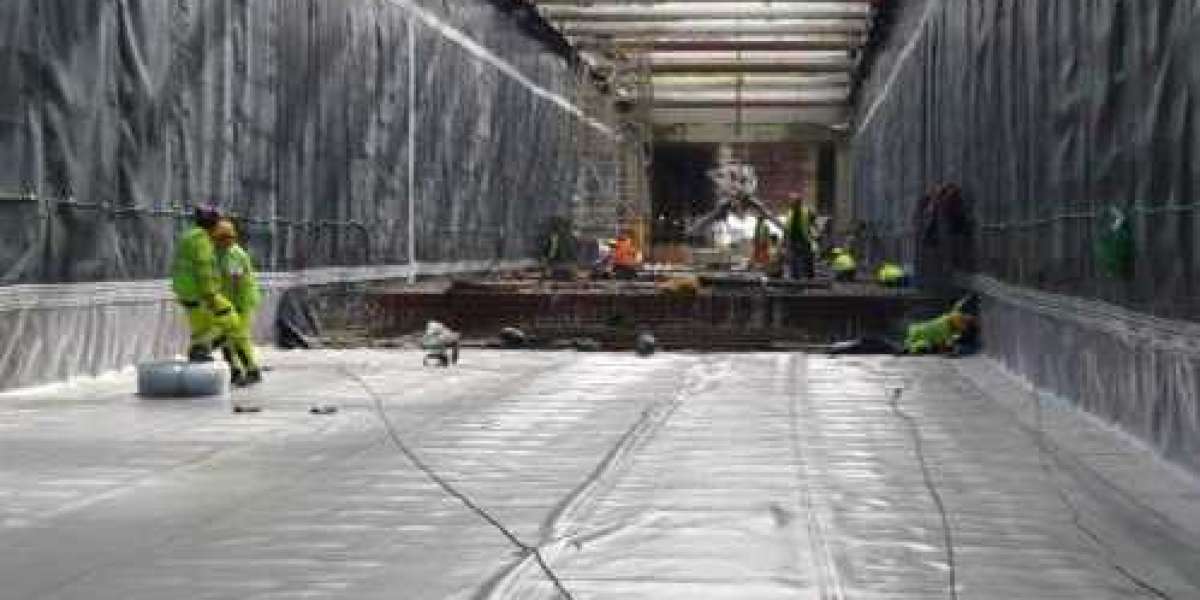
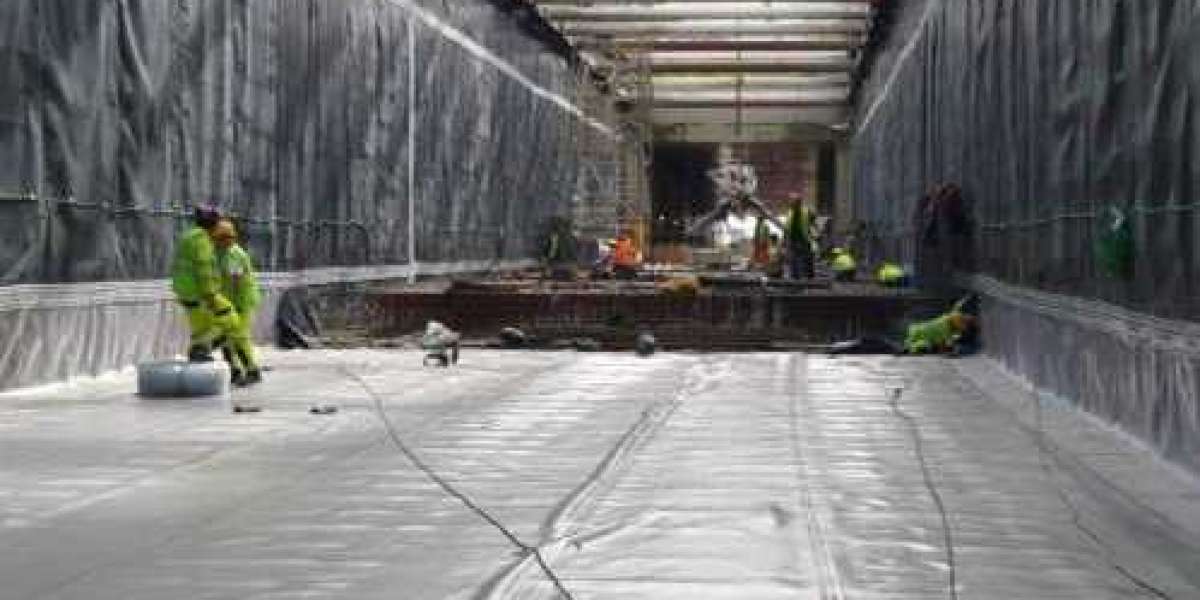
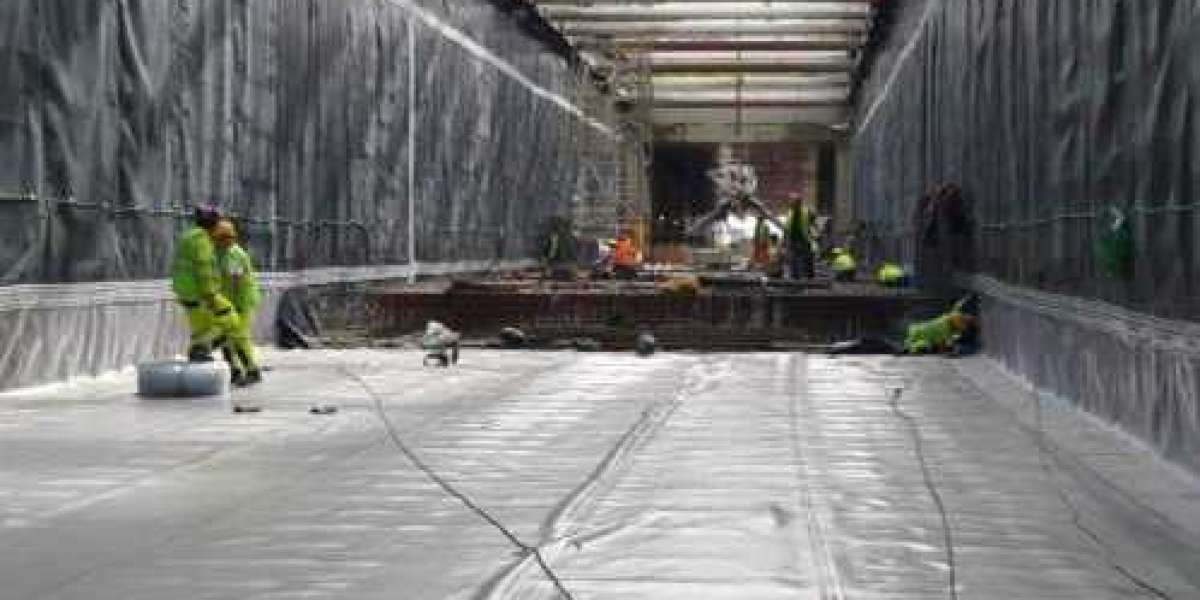
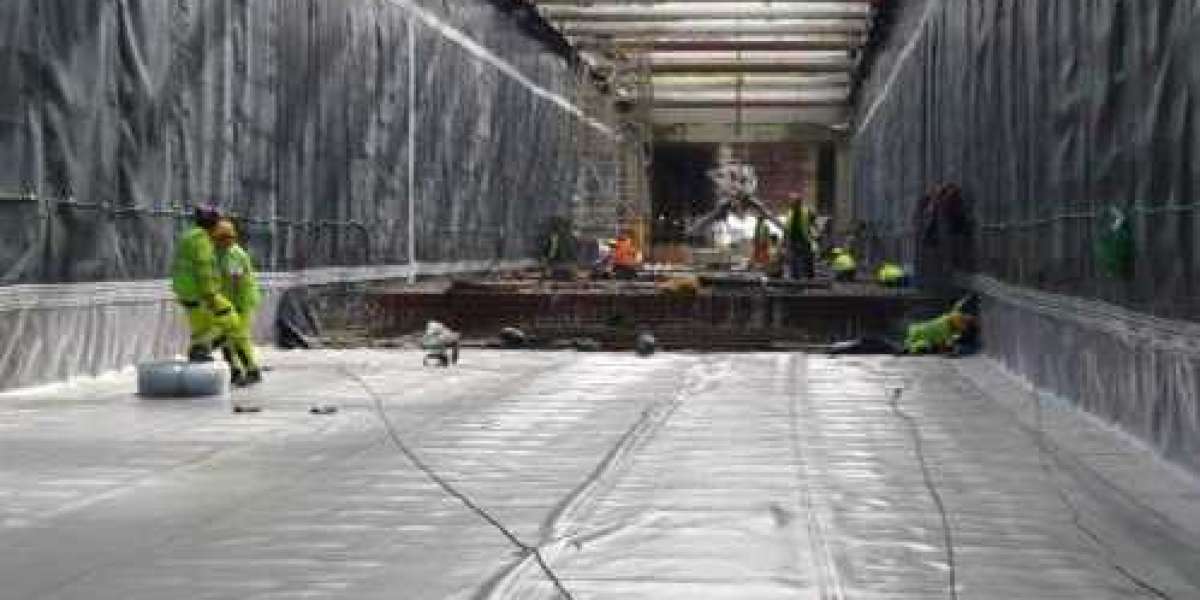
The Pvc geomembrane sheet creates a continuous impermeable barrier that helps prevent leakage and protects soil and groundwater from contamination. One thing that really makes PVC stand out is flexibility. It adapts well to uneven surfaces, settlement, and structural movement without losing waterproofing performance.
PVC geomembrane is commonly used in:
- Geomembrane pond liner systems
- Tunnel waterproofing
- Geomembrane for canal lining
- Building waterproofing
- Roof waterproofing
- Industrial effluent ponds
- Aquaculture ponds
- Underground infrastructure
- Metro rail projects
- Stormwater management systems
What Is HDPE Geomembrane?
HDPE stands for High-Density Polyethylene.
HDPE geomembrane is a rigid waterproofing liner known for high chemical resistance and strong tensile properties. It is widely used in projects where chemical exposure and environmental containment are major concerns.
HDPE geomembrane is commonly used in:
- Landfill geomembrane systems
- Mining containment
- Hazardous waste storage
- Chemical lagoons
- Large reservoirs
- Industrial waste ponds
HDPE performs extremely well in aggressive chemical environments, but it behaves differently compared to PVC when flexibility and movement are involved.
PVC Geomembrane vs HDPE Geomembrane: Main Differences
1. Flexibility
PVC Geomembrane
PVC is highly flexible and adapts easily to uneven surfaces and settlement conditions.
HDPE Geomembrane
HDPE is comparatively rigid and less flexible.
Which Is Better?
Honestly, for projects involving movement, curves, underground structures, or irregular layouts, PVC often performs better.
2. Installation Ease
PVC Geomembrane
PVC is easier to install because of its flexibility and workability.
HDPE Geomembrane
HDPE installation requires greater precision due to material stiffness.
Which Is Better?
PVC generally allows faster and easier installation in complex infrastructure projects.
3. Crack Resistance
PVC Geomembrane
Handles structural movement better without stress cracking.
HDPE Geomembrane
More rigid under stress conditions.
Which Is Better?
PVC is usually preferred where settlement or vibration may occur.
4. Chemical Resistance
PVC Geomembrane
Offers good resistance for many industrial and water applications.
HDPE Geomembrane
Provides very high resistance in harsh chemical environments.
Which Is Better?
For highly aggressive chemical containment, HDPE may be preferred.
5. UV Resistance
Both materials offer UV resistance, though performance depends on formulation and project conditions.
6. Long-Term Durability
Both PVC and HDPE can provide long service life when properly installed and maintained.
The actual lifespan depends on:
- Installation quality
- Environmental exposure
- Thickness
- Subgrade preparation
- Operational conditions
Which Geomembrane Is Better for Different Applications?
| Application | Better Choice |
|---|---|
| Tunnel waterproofing | PVC geomembrane |
| Canal lining | PVC geomembrane |
| Fish farming ponds | PVC geomembrane |
| Landfill containment | HDPE geomembrane |
| Hazardous chemical storage | HDPE geomembrane |
| Roof waterproofing | PVC geomembrane |
| Building waterproofing | PVC geomembrane |
| Mining waste ponds | HDPE geomembrane |
| Metro rail infrastructure | PVC geomembrane |
| Flexible containment systems | PVC geomembrane |
If you ask me, the choice should always depend on the actual engineering conditions rather than just price comparison.
Why PVC Geomembrane Is Popular in Infrastructure Projects
Modern infrastructure increasingly prefers PVC geomembrane because projects today involve:
- Complex layouts
- Underground structures
- Dynamic loading
- Settlement risks
- Climate variation
- Long-term waterproofing demands
PVC’s flexibility becomes a major advantage in these conditions.
That’s one reason geomembrane manufacturers india continue seeing strong demand for PVC-based waterproofing systems across infrastructure sectors.
Importance of Geotextile with Geomembrane
Whether using PVC or HDPE, Geotextile protection layers are extremely important.
Geotextile helps:
- Prevent puncture damage
- Improve cushioning
- Protect against aggregate stress
- Improve installation quality
- Increase overall system durability
Honestly, the geomembrane-geotextile combination creates a far stronger containment system compared to standalone installation.
Common Problems in Waterproofing Projects
Poor Material Selection
Using rigid material where flexibility is needed can increase failure risk.
Solution:
Evaluate movement conditions before selecting the geomembrane.
Improper Installation
Even premium materials can fail if welding or installation quality is poor.
Solution:
Use experienced installation teams.
Low-Quality Material
Cheap non-standard products may fail earlier.
Solution:
Choose BIS approved geomembrane systems compliant with BIS IS 15909:2010, ASTM, and EN standards.
Industry Trends in Waterproofing Infrastructure
Infrastructure waterproofing is evolving rapidly due to:
- Urban expansion
- Climate resilience planning
- Smart infrastructure development
- Environmental regulations
- Water conservation requirements
Modern projects increasingly demand:
- Flexible waterproofing
- Sustainable containment
- Lower maintenance systems
- Long-term durability
- Reliable seepage control
PVC geomembrane continues gaining popularity because it aligns well with these infrastructure requirements.
Frequently Asked Questions
What is the difference between PVC and HDPE geomembrane?
PVC is more flexible and easier to install, while HDPE provides higher rigidity and stronger chemical resistance.
Which geomembrane is better for tunnels?
PVC geomembrane is generally preferred for tunnel waterproofing because it adapts better to movement and complex geometries.
Is PVC geomembrane suitable for ponds?
Yes. PVC geomembrane is widely used as geomembrane pond liner systems for aquaculture, water storage, and irrigation ponds.
Why is geotextile important?
Geotextile protects the geomembrane from puncture damage and improves long-term durability.
Which standards should geomembrane follow?
High-quality systems should comply with BIS IS 15909:2010 along with ASTM and EN standards.
Conclusion
There’s no single “best” geomembrane for every project.
The right choice depends on:
- Application type
- Chemical exposure
- Movement conditions
- Structural flexibility
- Installation environment
- Long-term performance goals
PVC geomembrane performs exceptionally well in flexible infrastructure applications like tunnels, canals, ponds, roofs, underground systems, and dynamic waterproofing environments.
HDPE geomembrane remains highly effective for rigid containment and aggressive chemical applications.
Honestly, successful waterproofing is less about choosing the cheapest material and more about selecting the right engineering solution for the actual project conditions.
D L Millars Pvt Ltd, located at Flat No. 303, 3rd Floor, Elite House-36, Community Center, Zamroodpur, New Delhi-110048, continues supporting infrastructure waterproofing and containment requirements across multiple sectors. Technical discussions and project-related queries can also be shared through info@drmillars.co.in or by contacting +91 8700518400.