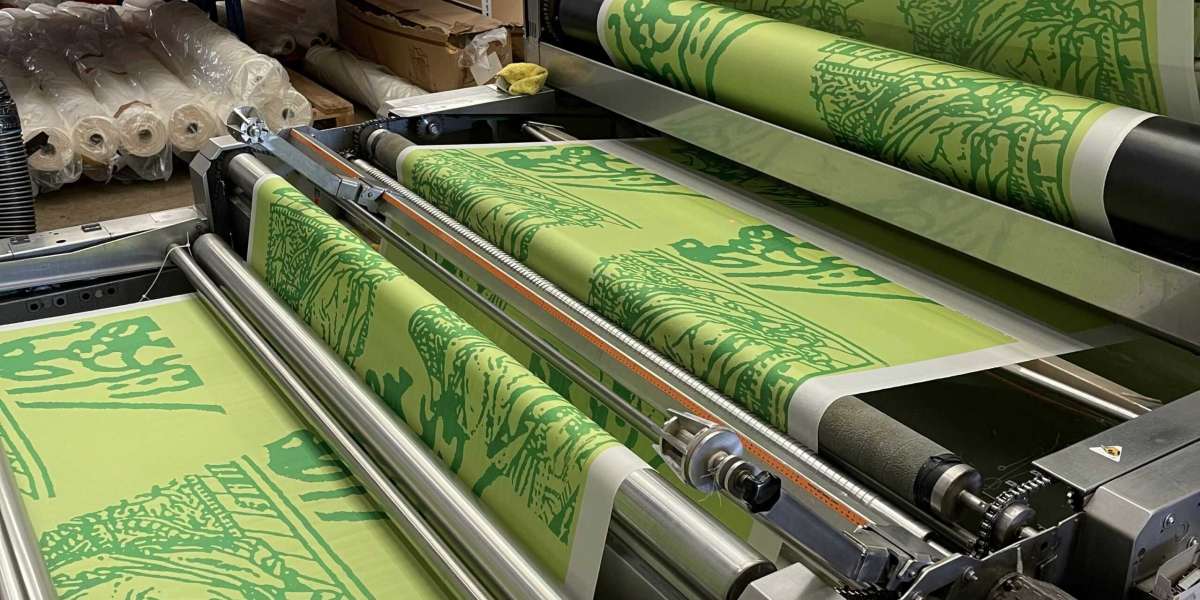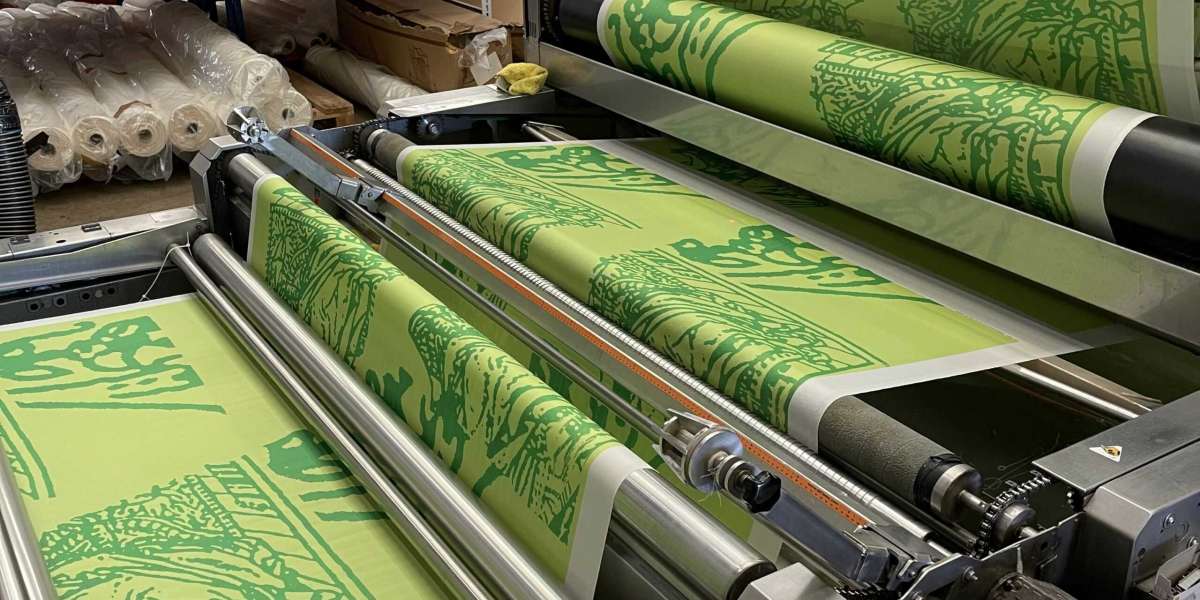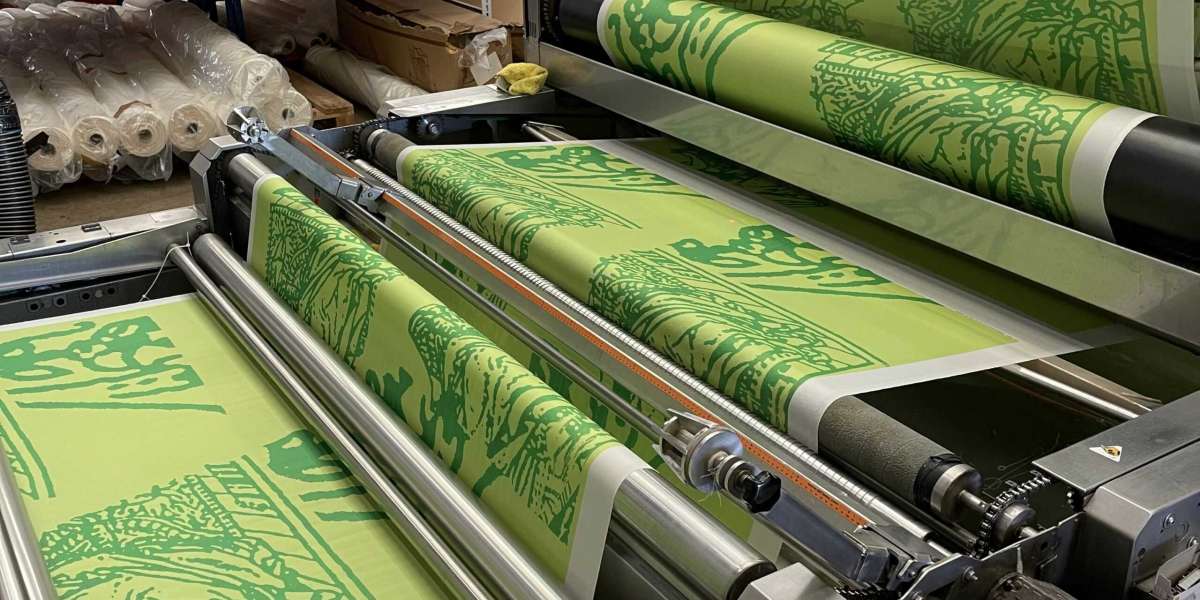

Digital printing on fabric has changed the way textiles are designed and produced. Unlike traditional printing methods that require screens, plates, or rollers, digital textile printing transfers artwork directly from a computer to fabric using specialized inkjet printers. This process delivers high-quality prints with remarkable detail while reducing preparation time and material waste.
Today, Digital printing on fabric is used by fashion brands, interior designers, textile manufacturers, and small businesses looking to create customized products quickly and efficiently. Whether producing a single personalized item or a large collection of printed fabrics, digital printing offers flexibility, excellent color accuracy, and faster production compared to many conventional techniques.
What Is Digital Printing on Fabric?
Digital printing on fabric is a modern textile decoration method that applies digital designs directly onto fabric using advanced printing technology. Instead of preparing separate screens for every color, the printer reproduces artwork from a digital file with exceptional precision.
This technology supports everything from simple logos to highly detailed illustrations and photographic images. Since there are no physical printing screens to create, businesses can easily update designs, print small quantities, and produce personalized products without increasing setup costs.
The process is compatible with many fabric types, including cotton, polyester, silk, linen, rayon, viscose, and blended materials. Different inks are selected depending on the fabric to achieve the best print quality and durability.
How Digital Printing on Fabric Works
Designing the Artwork
Every project begins with a digital design created using graphic design software. High-resolution images help produce sharper prints, while proper color management ensures accurate color reproduction.
Fabric Preparation
Many natural fabrics require pre-treatment before printing. This step improves ink absorption, increases color brightness, and enhances resistance to washing.
Synthetic fabrics may require different preparation methods depending on the printing technology being used.
Printing Process
Once prepared, the fabric passes through a digital textile printer. Tiny droplets of ink are placed directly onto the fabric with extreme precision, allowing detailed artwork and smooth color transitions.
Modern printers can reproduce millions of colors while maintaining excellent consistency throughout the production process.
Heat Fixation and Finishing
After printing, the fabric is exposed to heat or steam to permanently fix the ink onto the fibers. The fabric is then washed, dried, and inspected to ensure the finished product meets quality standards.
Types of Digital Fabric Printing
Direct-to-Fabric Printing
Direct-to-fabric printing applies ink directly onto textile materials. It is commonly used for natural fibers such as cotton, linen, and silk.
Dye Sublimation Printing
Dye sublimation is widely used for polyester fabrics. The design is first printed onto transfer paper and then transferred to the fabric using heat. This creates vibrant colors that become part of the fabric rather than remaining on the surface.
Direct-to-Garment Printing
Direct-to-garment printing is designed for finished apparel, including T-shirts, hoodies, and sweatshirts. It is popular among print-on-demand businesses because it supports customized orders with minimal setup.
Common Applications
Digital textile printing serves numerous industries because of its versatility.
Fashion Industry
Fashion designers use digital printing to create dresses, shirts, jackets, scarves, and seasonal collections featuring detailed graphics and colorful patterns.
Home Furnishings
Curtains, bedding, upholstery, cushion covers, tablecloths, and decorative fabrics frequently use digital printing to achieve customized interior designs.
Sportswear
Athletic clothing manufacturers produce jerseys, leggings, and performance apparel using digital printing because it creates durable, lightweight, and colorful designs.
Promotional Products
Businesses print logos, marketing graphics, banners, flags, tote bags, and exhibition displays using digital textile printing.
Interior Decoration
Hotels, offices, restaurants, and commercial spaces use digitally printed fabrics for wall coverings, decorative panels, acoustic solutions, and customized furnishings.
Practical Benefits and Key Insights
Exceptional Print Quality
Digital printing produces sharp details, smooth gradients, and vibrant colors that accurately reproduce complex artwork and photographs.
Faster Production
Without screen preparation, production begins immediately after the design is finalized. This significantly reduces turnaround times.
Unlimited Design Freedom
There are virtually no restrictions on colors or design complexity. Businesses can create intricate artwork without increasing production difficulty.
Ideal for Customization
Digital printing allows businesses to manufacture personalized products, limited editions, and short production runs economically.
Reduced Material Waste
Traditional printing often produces excess ink and unused materials. Digital printing uses only the required amount of ink, making the process more resource efficient.
Lower Inventory Costs
Print-on-demand production allows companies to manufacture products only after receiving customer orders, reducing storage requirements and minimizing unsold inventory.
Easier Product Development
Designers can quickly test new ideas, make revisions, and introduce updated collections without investing in expensive printing screens.
Common Challenges and Considerations
High Equipment Costs
Industrial digital textile printers require a considerable investment. Businesses should evaluate production needs before purchasing equipment.
Fabric Compatibility
Not every ink performs equally on every fabric. Selecting the appropriate fabric and ink combination is essential for achieving professional results.
Color Calibration
Maintaining accurate color consistency requires proper printer calibration and carefully managed color profiles.
Regular Maintenance
Print heads require routine cleaning to prevent clogging and ensure reliable operation. Scheduled maintenance also extends the lifespan of printing equipment.
Production Scale
Although digital printing is highly efficient for customized and medium-sized production, some traditional methods remain more economical for very large runs with simple repeating patterns.
Frequently Asked Questions (FAQs)
1. What is digital printing on fabric?
Digital printing on fabric is a textile printing process that transfers digital artwork directly onto fabric using specialized inkjet printers.
2. Which fabrics are suitable for digital printing?
Cotton, polyester, silk, linen, rayon, viscose, canvas, and blended fabrics can all be digitally printed using appropriate inks and preparation methods.
3. Is digital printing durable?
Yes. Properly printed fabrics offer excellent resistance to washing, fading, and everyday wear when suitable inks and fixation processes are used.
4. Why do businesses prefer digital textile printing?
Businesses benefit from faster production, lower setup costs, excellent print quality, easy customization, and the ability to produce small or large quantities efficiently.
5. Is digital printing environmentally friendly?
Compared with many conventional textile printing methods, digital printing generally uses less water, creates less waste, and applies ink more efficiently, making it a more sustainable option for many applications.
Conclusion
Digital printing on fabric has become one of the most important technologies in modern textile manufacturing. Its ability to produce detailed designs, vibrant colors, and customized products with minimal setup has transformed industries ranging from fashion to interior decoration.
As businesses continue to focus on faster production, personalization, and sustainable manufacturing, digital textile printing will remain a valuable solution for both large manufacturers and small creative enterprises. By selecting suitable fabrics, using quality inks, and maintaining professional printing equipment, organizations can consistently produce attractive, durable, and high-quality printed textiles that meet today's market expectations.