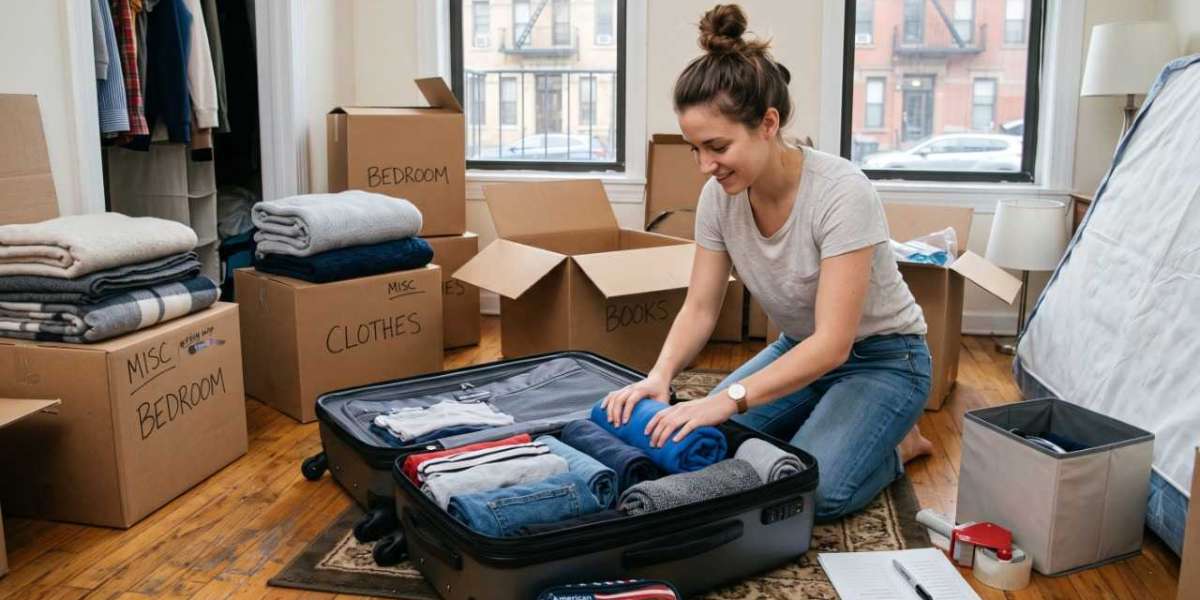

Moving to a new home is exciting, but it can also become stressful when you realize how many things need your attention. While most people focus on packing boxes, labeling furniture, and hiring movers, they often overlook one essential task—how to pack a suitcase for moving day.
A well-packed suitcase acts as your personal survival kit during the first 24 to 72 hours after moving. Instead of searching through dozens of sealed boxes for your toothbrush, medications, phone charger, or clean clothes, you'll have everything you need within easy reach.
At My Good Movers, experienced moving professionals recommend preparing one carefully organized suitcase before the moving truck arrives. This simple step saves time, reduces stress, and helps you settle into your new home comfortably.
In this guide, you'll learn exactly how to pack a suitcase like a professional mover, what essentials to include, and which common mistakes to avoid.
Why Packing a Suitcase Matters
Many homeowners assume they'll unpack immediately after arriving at their new home. Unfortunately, reality often looks different.
Moving delays happen.
Furniture may arrive later than expected.
Utilities might not be connected yet.
You could spend hours cleaning your new house before unpacking.
That's why experienced movers always suggest keeping a dedicated moving-day suitcase.
Benefits of Packing a Separate Suitcase
- Easy access to everyday essentials
- Less stress during moving day
- No need to open multiple boxes
- Better organization
- Reduced chance of losing valuables
- Faster first-night setup
Think of it as preparing for a short weekend trip rather than packing for your entire move.
How to Pack a Suitcase Before Moving
Learning how to pack a suitcase starts long before moving day arrives. Good preparation prevents last-minute panic and forgotten essentials.
Choose the Right Suitcase
Not every suitcase works equally well.
A medium-sized rolling suitcase is usually the best choice because it offers:
- Easy transportation
- Multiple compartments
- Strong wheels
- Secure zippers
- Lightweight construction
If you're moving with children, each family member should have their own small suitcase containing personal necessities.
Create a Packing Checklist
Preparation is everything.
Write down every item you'll need for the first two or three days after moving.
Typical checklist categories include:
| Category | Examples |
|---|---|
| Clothing | Shirts, pants, socks, pajamas |
| Hygiene | Toothbrush, toothpaste, soap |
| Electronics | Chargers, laptop, headphones |
| Medicine | Daily prescriptions, first aid |
| Food | Snacks, bottled water |
| Documents | IDs, lease papers |
| Comfort | Blanket, pillow |
Checking items off your list helps ensure nothing important gets left behind.
Keep Important Documents Together
Your documents should never travel inside the moving truck.
Store them safely inside your suitcase.
Include:
- Passport
- Driver's license
- Birth certificates
- Insurance papers
- Moving contract
- House purchase documents
- Rental agreement
- Medical records
- Banking information
Using a waterproof folder offers extra protection.
What to Pack in Your Moving-Day Suitcase
Once your checklist is complete, it's time to decide exactly what belongs inside your suitcase.
Clothing Essentials
Pack enough clothes for at least three days.
Include:
- Three shirts
- Two pairs of pants
- Undergarments
- Socks
- Comfortable shoes
- Jacket
- Sleepwear
If you're moving during winter, include gloves, hats, and warm layers.
During summer, lightweight clothing is usually sufficient.
Toiletries
Your bathroom boxes might be among the last to unpack.
Pack travel-sized toiletries including:
- Toothbrush
- Toothpaste
- Soap
- Shampoo
- Conditioner
- Razor
- Deodorant
- Hairbrush
- Moisturizer
- Towels
Place liquids inside sealed plastic bags to prevent leaks.
Electronics
Most people rely heavily on their devices throughout moving day.
Pack:
- Phone charger
- Laptop
- Tablet
- Power bank
- Extension cord
- Headphones
- USB cables
Keep electronics inside padded compartments whenever possible.
Medications
Never allow prescription medications to travel with the moving truck.
Instead, carry:
- Daily prescriptions
- Pain relievers
- Allergy medication
- Bandages
- Thermometer
- First-aid supplies
If you have children, pack child-specific medications separately.
Food and Drinks
Moving burns more energy than many people expect.
Healthy snacks include:
- Granola bars
- Nuts
- Fruit
- Crackers
- Protein bars
Don't forget bottled water to stay hydrated throughout the day.
Personal Comfort Items
Small comforts can make a big difference.
Bring:
- Pillow
- Blanket
- Favorite book
- Eye mask
- Reusable water bottle
- Light sweater
These items can help you relax after a long day of lifting, driving, and unpacking.
Space-Saving Packing Techniques
Knowing how to pack a suitcase efficiently isn't just about deciding what to bring—it's also about maximizing every inch of available space. Professional movers at My Good Movers recommend using proven packing methods that keep your belongings organized, wrinkle-free, and easy to access throughout your move.
Whether you're relocating across town or to another state, smart packing techniques can make your suitcase lighter, neater, and much more practical.
Roll vs. Fold: Which Method Works Best?
One of the biggest debates when packing luggage is whether you should roll or fold your clothes. Both methods have their advantages, and the right choice often depends on the type of clothing you're packing.
Rolling Clothes
Rolling works well for:
- T-shirts
- Jeans
- Casual pants
- Leggings
- Shorts
- Pajamas
Advantages of rolling:
- Saves space
- Reduces wrinkles
- Makes clothes easier to see
- Creates room for smaller items
Folding Clothes
Folding is ideal for:
- Dress shirts
- Blazers
- Sweaters
- Formal dresses
- Delicate fabrics
Advantages of folding:
- Keeps structured clothing neat
- Prevents stretching
- Protects delicate materials
Combine Both Methods
Professional movers often recommend using both techniques. Roll casual clothing and fold formal wear. This combination helps you use your suitcase efficiently while protecting your garments.
Use Packing Cubes
Packing cubes have become one of the most popular travel accessories, and for good reason. They're equally valuable when learning how to pack a suitcase for moving day.
Packing cubes help you:
- Separate clothing categories
- Find items quickly
- Prevent clutter
- Compress soft clothing
- Keep clean and dirty clothes apart
For example:
| Packing Cube | Contents |
|---|---|
| Cube 1 | Shirts |
| Cube 2 | Pants |
| Cube 3 | Underwear Socks |
| Cube 4 | Toiletries |
| Cube 5 | Electronics |
Instead of digging through your suitcase, you'll know exactly where everything is.
Try Compression Bags
If you're moving during winter or carrying bulky clothing, compression bags can save significant space.
They're perfect for:
- Jackets
- Sweaters
- Blankets
- Hoodies
- Towels
Compression bags remove excess air, reducing the volume of soft items without damaging them.
Just remember not to overfill your suitcase after compressing everything. Heavy luggage is harder to carry and may exceed airline weight limits if you're flying.
Fill Every Empty Space
Professional packers rarely waste empty space.
Small items fit perfectly inside:
- Shoes
- Hat interiors
- Corners of the suitcase
- Between rolled clothing
You can store:
- Socks
- Chargers
- Belts
- Jewelry pouches
- Small toiletries
Every inch counts.
Place Heavy Items at the Bottom
If your suitcase has wheels, position heavier items near the wheelbase.
Examples include:
- Shoes
- Toiletry bags
- Books
- Electronics
This improves balance and makes rolling the suitcase much easier.
Keep Frequently Used Items on Top
Think about what you'll need immediately after arriving.
Keep these items near the top:
- Phone charger
- Toothbrush
- Pajamas
- Medications
- Water bottle
- Clean clothes
This simple habit saves time and eliminates unnecessary unpacking.
Common Mistakes to Avoid
Even experienced movers sometimes make packing mistakes. Avoiding these common errors can make moving day much smoother.
Overpacking the Suitcase
A suitcase that's too heavy becomes difficult to lift and maneuver.
Avoid stuffing every available space simply because it's there. Leave a little room in case you need to add items at the last minute.
Forgetting Daily Medications
Prescription medicines should always stay with you—not inside moving boxes or the moving truck.
Pack enough medication for several extra days in case your move is delayed.
Packing Valuables with Household Goods
Jewelry, passports, cash, laptops, and important paperwork should never travel with general household belongings.
Keep them in your suitcase or a secure personal bag.
Ignoring Weather Conditions
Check the weather forecast for both your current location and your destination.
Pack accordingly:
- Rain jacket
- Umbrella
- Winter coat
- Gloves
- Sunscreen
- Hat
Preparing for the weather helps avoid unnecessary discomfort.
Not Labeling Compartments
If you're using packing cubes or organizers, label them.
Simple labels like "Clothes," "Electronics," or "Toiletries" make unpacking much faster.
Waiting Until the Last Minute
One of the biggest moving mistakes is delaying suitcase packing until moving day.
Instead, prepare your suitcase one or two days before the move. This gives you time to double-check your checklist and avoid rushing.
Professional Advice
Experienced moving companies know that successful moves begin with careful planning.
The experts at My Good Movers recommend treating your moving-day suitcase. Everything inside should support you for the first 48–72 hours in your new home.
Here are some additional professional tips:
- Charge all electronic devices before moving day.
- Pack an extra set of clothes in case of delays.
- Carry reusable shopping bags for unexpected items.
- Keep cleaning wipes handy for quick cleanups.
- Store important phone numbers on paper as a backup.
- Bring basic tools, such as a screwdriver and box cutter, for assembling furniture and opening boxes.
- Keep children entertained with books, toys, or tablets during the move.
- Pack pet food, bowls, and comfort items if you're relocating with pets.
Following these recommendations can reduce stress and help your first day in your new home go more smoothly.
Frequently Asked Questions
1. How many days should my moving-day suitcase cover?
It's best to pack enough essentials for two to three days. This allows time for delays and gives you flexibility while unpacking.
2. What documents should stay in my suitcase?
Keep all important paperwork with you, including identification, insurance documents, lease or purchase agreements, financial records, and moving contracts.
3. Should I pack electronics in my suitcase?
Yes. Valuable electronics such as laptops, tablets, cameras, chargers, and power banks should remain with you instead of being loaded onto the moving truck.
4. Are packing cubes worth using?
Absolutely. Packing cubes improve organization, save space, and make it much easier to locate specific items without unpacking your entire suitcase.
5. What's the biggest mistake people make when learning how to pack a suitcase?
The most common mistake is overpacking. Bringing only essential items keeps your suitcase manageable and ensures you can quickly find what you need.
6. Why do professional movers recommend a moving-day suitcase?
Professional movers recommend it because it keeps your necessities close at hand. Instead of searching through dozens of boxes, you'll have immediate access to clothing, toiletries, medications, important documents, and electronics.
Conclusion
Learning how to pack a suitcase for moving day is one of the simplest yet most effective ways to reduce stress during a relocation. By planning ahead, choosing the right suitcase, organizing your belongings with packing cubes, and keeping essential items within easy reach, you can make the transition to your new home much smoother.
Following the expert recommendations from My Good Movers ensures you're prepared for the unexpected, whether it's a delayed moving truck, a long travel day, or your first night before everything is unpacked.
Remember to prioritize important documents, medications, electronics, and a few days' worth of clothing so that you're comfortable from the moment you arrive.