
The roofing industry has changed significantly over the years. What was once a labor-intensive process is now driven by automation, precision, and advanced manufacturing technology. In today’s fast-paced construction market, contractors and manufacturers need equipment that can deliver speed, consistency, and high-quality results. This is where roofing machines have become essential.
Roofing machines are now a core part of modern roof manufacturing because they help produce durable roofing panels quickly and accurately. Whether used in factories or directly on construction sites, these machines improve efficiency while reducing labor and material waste.
What Are Roofing Machines?
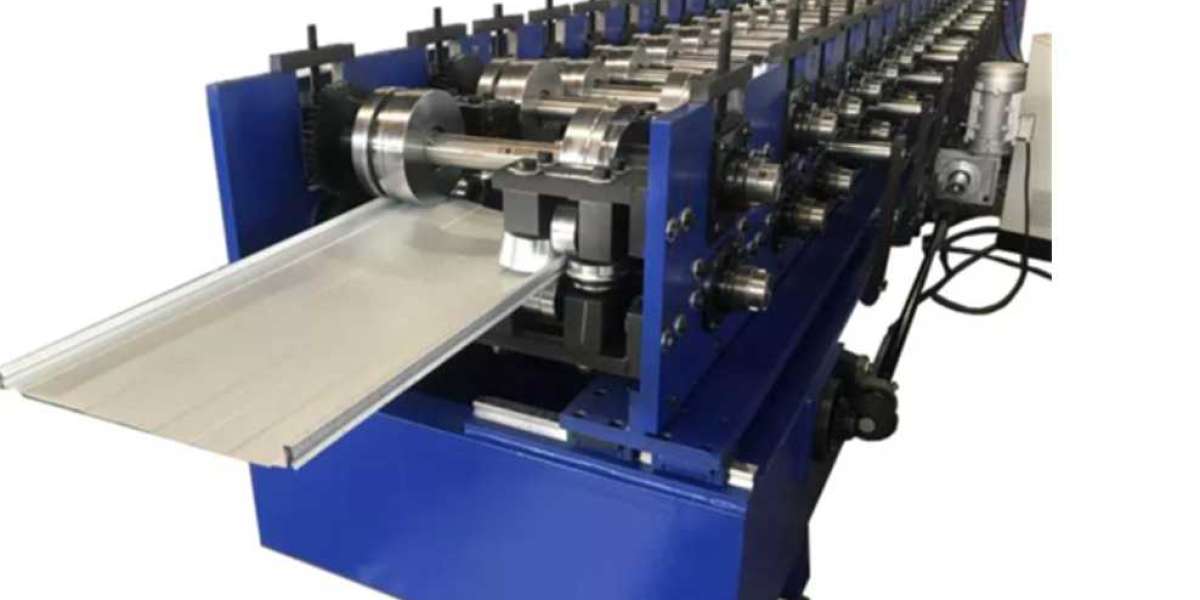
Roofing machines are industrial systems designed to manufacture roofing sheets and panels from metal coils. These machines shape flat metal into specific roofing profiles through a process called roll forming.
The machine feeds raw material through multiple rollers that gradually bend and form the metal into the desired design. Once shaped, the machine cuts the panels to the required length with high precision.
Roofing machines are commonly used to produce:
- Standing seam roofing panels
- Corrugated roofing sheets
- Trapezoidal metal panels
- Custom roof profiles
They are widely used in residential, commercial, industrial, and agricultural construction projects.
Why Roofing Machines Are Important Today
Modern construction projects require materials to be produced quickly without sacrificing quality. Roofing machines make this possible by automating the manufacturing process.
Instead of relying on slow manual methods, contractors and manufacturers can now create large volumes of roofing panels efficiently and consistently.
This improves productivity, reduces errors, and helps projects stay on schedule. In competitive construction markets, this efficiency provides a major advantage.
How Roofing Machines Work
Although roofing machines vary in design, most follow a similar process.
First, a metal coil—usually steel or aluminum—is loaded into the machine. The material is then pulled through a series of rollers that gradually shape the flat metal into the required roofing profile.
Each roller performs a specific part of the forming process to ensure the material is bent smoothly and accurately. Once the profile is complete, an automatic cutting system trims the sheet to the desired size.
Many modern machines use digital control systems that allow operators to adjust dimensions and production settings with precision.
Major Benefits of Roofing Machines
- Faster Production Speed
One of the biggest advantages of roofing machines is their ability to produce roofing panels quickly.
Manual fabrication can take hours, while automated machines can produce continuous sheets in a fraction of the time. This speed is extremely important for large construction projects where delays can increase costs.
- High Precision and Accuracy
Roofing machines are designed for precision. Every panel produced has consistent dimensions and shape, reducing installation problems later.
Accurate panel production also improves the overall appearance and structural quality of roofing systems.
- Reduced Labor Costs
Automation reduces the need for a large workforce. Operators mainly monitor the machine and manage settings instead of manually shaping and cutting metal.
This lowers labor expenses and improves overall production efficiency.
- Less Material Waste
Roofing machines use metal coils efficiently, cutting panels with exact measurements. This minimizes leftover material and reduces waste.
Lower waste means lower production costs and more sustainable manufacturing practices.
- Ability to Produce Multiple Profiles
Modern roofing machines are highly versatile. Some machines can create several different roofing profiles simply by adjusting settings or changing rollers.
This flexibility allows manufacturers to meet different customer and project requirements without investing in multiple machines.
Types of Roofing Machines
There are several types of roofing machines used in the industry today.
Roll Forming Machines
These are the most commonly used roofing machines. They continuously shape metal coils into roofing panels using a series of forming rollers.
Standing Seam Roofing Machines
These machines are designed specifically for standing seam panels, which are popular in modern residential and commercial construction.
Portable Roofing Machines
Portable machines are compact and can be transported directly to job sites. Contractors use them to produce custom roofing panels on location.
Automatic Cutting Machines
These machines focus on cutting roofing sheets to precise lengths using automated systems.
Multi-Profile Roofing Machines
These advanced machines can produce different roofing styles using the same equipment, making them highly efficient for large manufacturers.
Materials Used in Roofing Machines
Roofing machines are designed to work with different metal materials depending on the application.
Steel
Steel is one of the most commonly used roofing materials because of its strength and durability.
Aluminum
Aluminum is lightweight and highly resistant to corrosion, making it ideal for coastal or humid environments.
Copper
Copper roofing is known for its premium appearance and long lifespan. Over time, it develops a natural patina that adds character.
Zinc
Zinc is highly durable and naturally resistant to corrosion, making it a long-lasting roofing option.
Maintenance of Roofing Machines
Proper maintenance is important for ensuring smooth machine performance and long service life.
Regular maintenance tasks include:
- Cleaning rollers and removing metal debris
- Lubricating moving components
- Checking electrical systems
- Inspecting alignment and calibration
- Replacing worn-out parts when necessary
Well-maintained machines operate more efficiently and produce higher-quality roofing panels.
Role of Roofing Machines in Modern Construction
Roofing machines play a major role in today’s construction and manufacturing industries. They allow companies to produce durable roofing systems quickly while maintaining high quality standards.
Their ability to increase efficiency and reduce costs makes them essential for both small fabrication workshops and large industrial production facilities.
As demand for metal roofing continues to grow, roofing machines are becoming even more valuable in the market.
Future of Roofing Machines
Technology is constantly improving roofing equipment. Future roofing machines are expected to include:
- Fully automated production systems
- AI-assisted precision controls
- Remote monitoring technology
- Energy-efficient manufacturing systems
- Advanced digital customization features
These innovations will continue to improve production speed, accuracy, and sustainability.
Conclusion
Roofing machines have become one of the most important tools in modern roof manufacturing. They combine automation, precision, and efficiency to produce high-quality roofing panels for a wide range of construction projects.