
Moving Beyond the Traditional Learning Centre
For many years, the traditional learning centre model focused on structured lessons and teacher-led instruction. While this approach built foundational skills, it often overlooked creativity and individuality.
Today, early education is evolving, with parents and educators recognising that children learn best when they are actively engaged and enjoying the process.
How Play-Based Learning Works
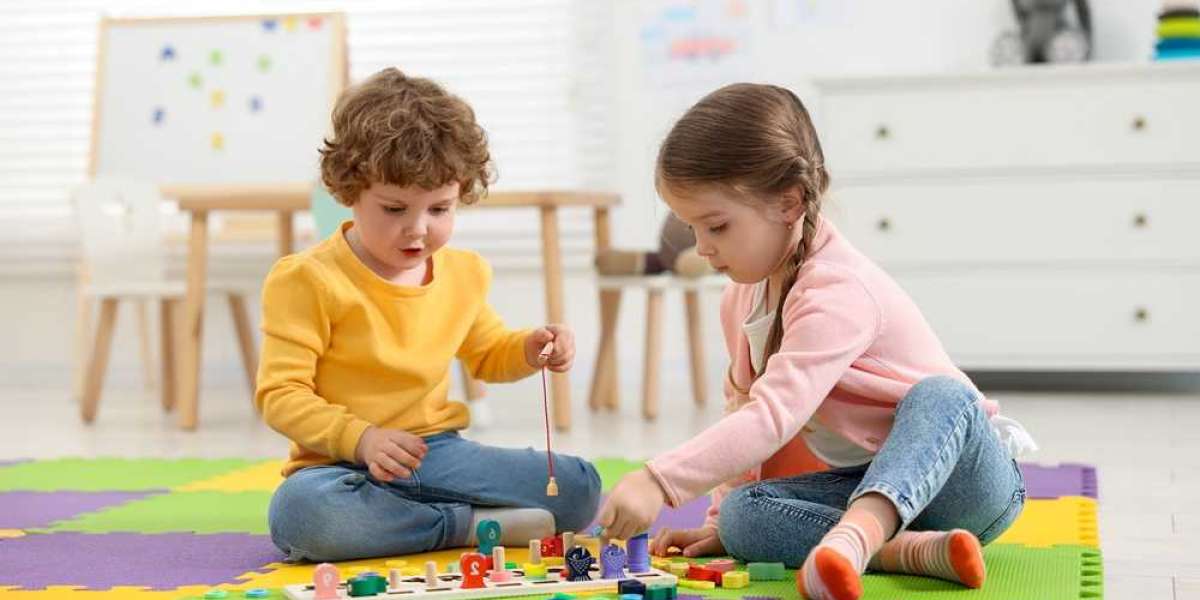
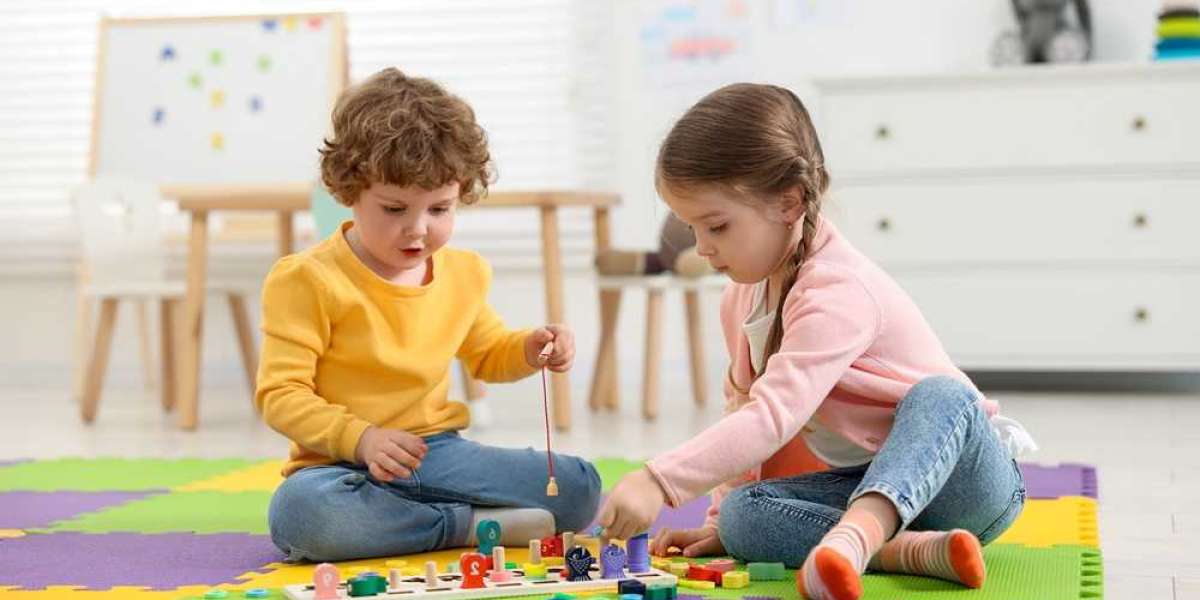
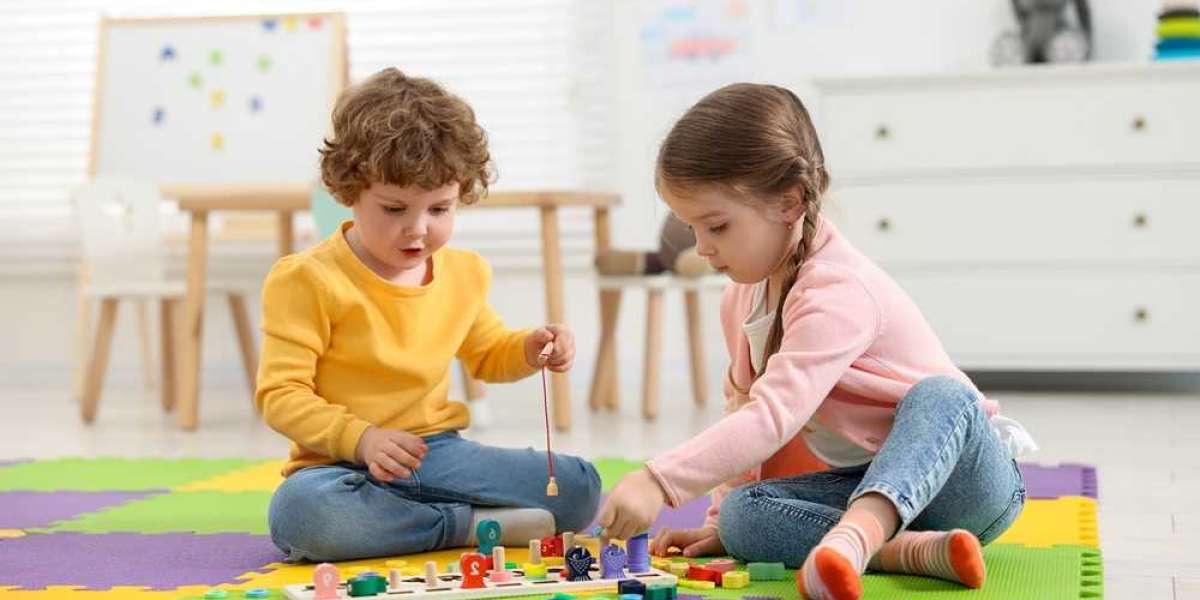
Play-based learning allows children to explore, experiment, and discover at their own pace. In modern early learning centres, activities are designed to spark curiosity while still supporting key developmental milestones. Whether it’s building with blocks, role-playing, or outdoor exploration, each activity encourages problem-solving, communication, and critical thinking.
Supporting Holistic Development
Unlike a traditional learning centre, play-based environments focus on the whole child. This means nurturing emotional, social, physical, and cognitive development simultaneously. Children learn how to collaborate, express their feelings, and build relationships—skills that are just as important as early literacy and numeracy.
Building Confidence and Independence
One of the biggest advantages of play-based learning is its ability to build confidence. When children are given the freedom to make choices and explore their interests, they develop a sense of independence. Early learning centres that embrace this approach often see children become more resilient, adaptable, and eager to learn.
Preparing Children for the Future
The future demands creativity, adaptability, and strong interpersonal skills. Play-based learning equips children with these abilities from an early age. As more early learning centres move away from rigid teaching models, it’s clear that this approach is not just a trend—it’s shaping the future of early education.