
Introduction
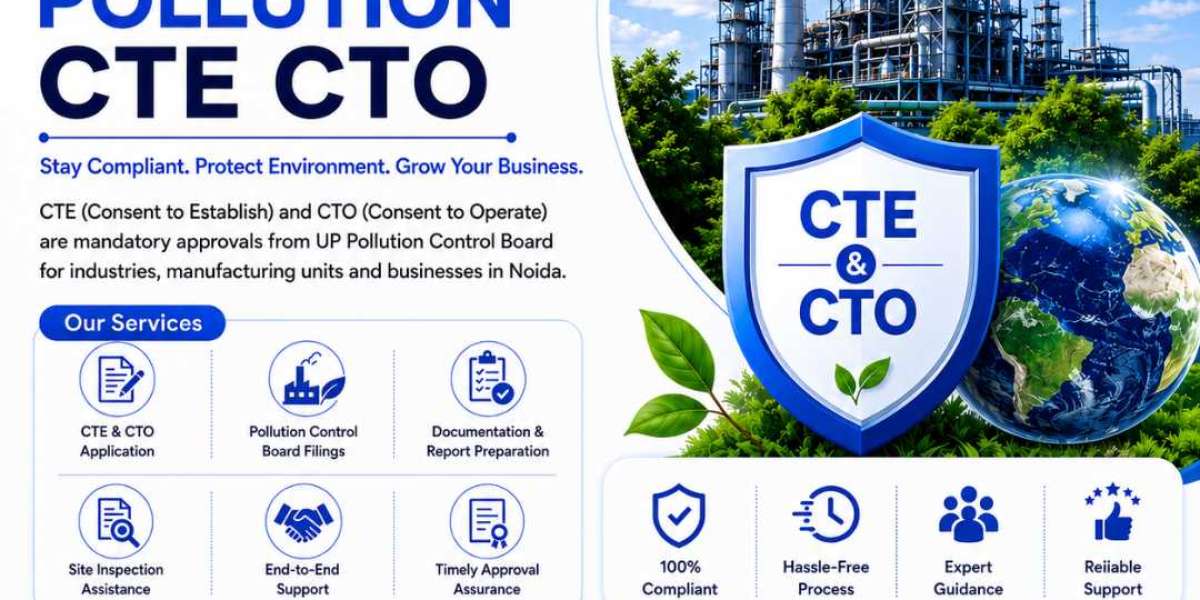
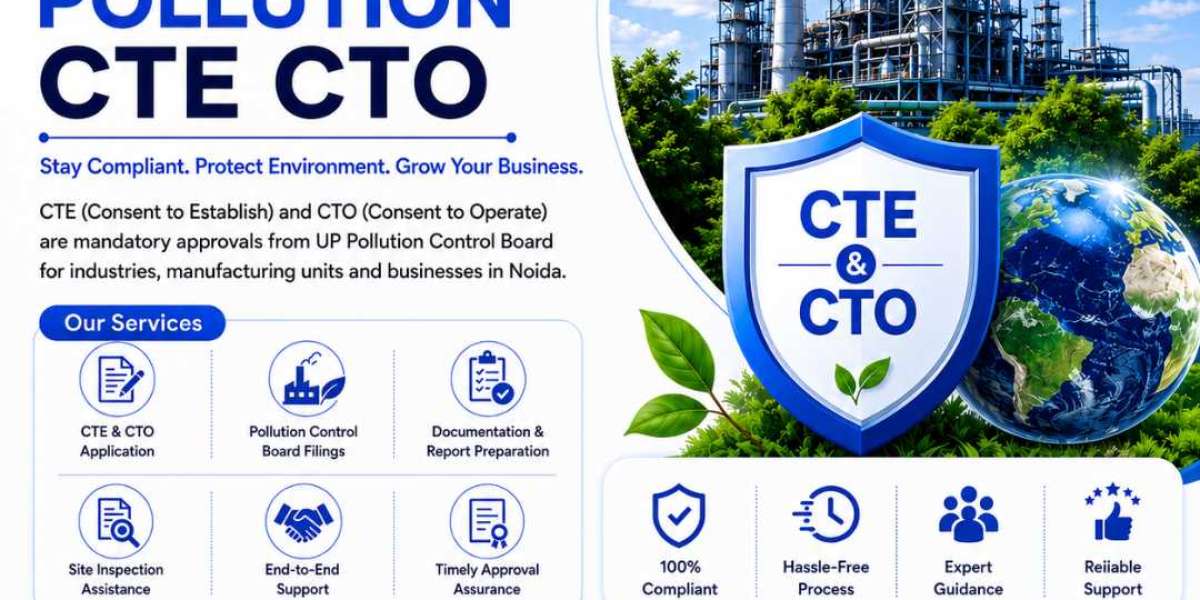
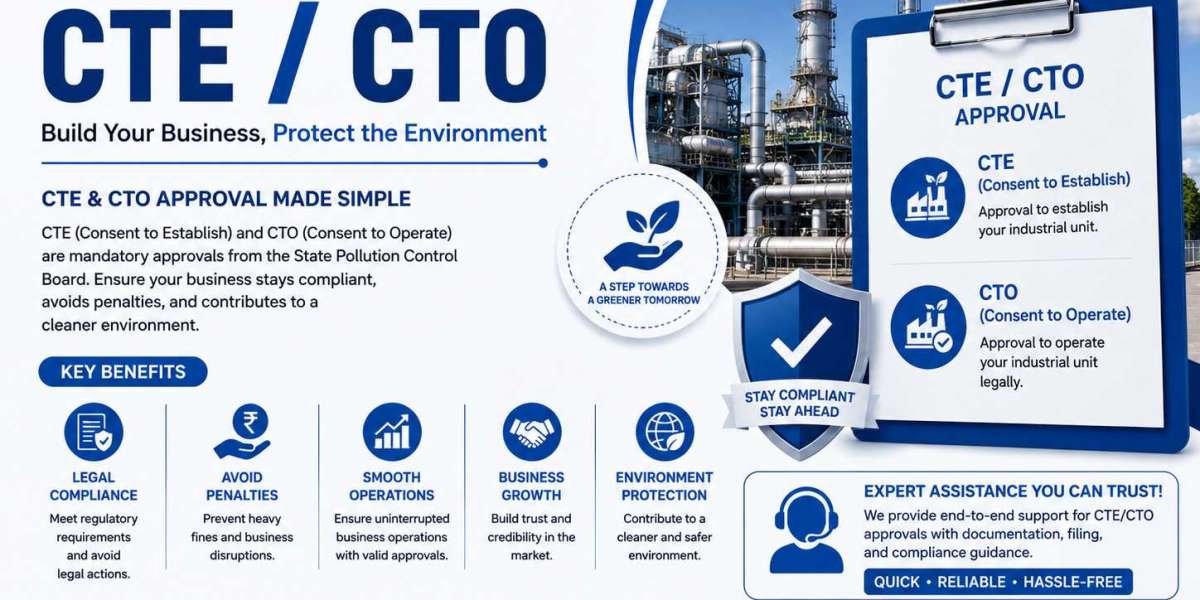
Consent to Operate (CTO) is a mandatory environmental authorization required for industries, manufacturing units, commercial establishments, and infrastructure projects before commencing operational activities. The approval is issued by the State Pollution Control Board (SPCB) or Pollution Control Committee (PCC) after verifying that the unit has installed and implemented the necessary pollution control measures.
A Consent to Operate Certificate ensures that the business complies with environmental laws and operates without causing significant harm to air, water, or land resources. Industries must obtain CTO after establishing the unit and before starting production or commercial operations.
What is Consent to Operate?
Consent to Operate is an environmental clearance that permits an industrial or commercial unit to begin operational activities after satisfying pollution control requirements.
The certificate confirms that the business has implemented approved environmental safeguards and follows pollution prevention measures as required under applicable laws.
Without a valid Consent to Operate Certificate, many industries cannot legally commence production or commercial operations.
Importance of Consent to Operate
Environmental Compliance
CTO ensures compliance with environmental regulations and pollution control standards.
Legal Authorization
Industries require this approval to legally operate their facilities.
Pollution Prevention
The certificate confirms that adequate pollution control systems are functioning properly.
Business Continuity
Obtaining CTO helps avoid penalties, notices, and operational disruptions.
Sustainable Operations
The approval encourages environmentally responsible industrial practices.
Legal Framework for Consent to Operate
Consent to Operate is generally granted under:
Water (Prevention and Control of Pollution) Act, 1974
This law regulates wastewater generation and water pollution control.
Air (Prevention and Control of Pollution) Act, 1981
This legislation focuses on controlling emissions and maintaining air quality standards.
Industries must comply with both laws before receiving operational approval.
Who Requires Consent to Operate?
The following entities commonly require CTO approval:
- Manufacturing Industries
- Pharmaceutical Companies
- Chemical Units
- Food Processing Industries
- Engineering Workshops
- Textile Manufacturing Units
- Packaging Industries
- Plastic Processing Units
- Infrastructure Projects
- Commercial Establishments with Environmental Impact
The requirement depends on the type of activity and pollution potential.
Documents Required for Consent to Operate
Applicants generally need the following documents:
- PAN Card
- GST Registration Certificate
- Business Registration Documents
- Consent to Establish Certificate
- Factory License
- Site Layout Plan
- Manufacturing Process Details
- Pollution Control Equipment Information
- Water Consumption Details
- Wastewater Treatment Details
- Air Pollution Control System Details
- Electricity Bill
- Production Capacity Information
Additional documents may be required depending on the industry category and state regulations.
Consent to Operate Registration Process
Step 1: Obtain Consent to Establish
The business must first secure Consent to Establish approval.
Step 2: Install Pollution Control Measures
Necessary pollution control systems should be installed and operational.
Step 3: Prepare Documentation
Compile all environmental and operational compliance documents.
Step 4: Submit Application
File the CTO application through the State Pollution Control Board portal.
Step 5: Inspection and Verification
Authorities may inspect the facility to verify compliance.
Step 6: Technical Evaluation
The board evaluates pollution control systems and environmental safeguards.
Step 7: Grant of Consent to Operate
Upon successful review, the Consent to Operate Certificate is issued.
Benefits of Consent to Operate Certificate
Regulatory Approval
Allows businesses to operate legally and comply with environmental laws.
Enhanced Business Credibility
Demonstrates commitment to environmental responsibility.
Reduced Legal Risks
Minimizes the risk of regulatory penalties and enforcement actions.
Smooth Operations
Supports uninterrupted production and commercial activities.
Environmental Sustainability
Encourages responsible resource management and pollution prevention.
Common Reasons for CTO Rejection
Businesses should avoid the following issues:
- Incomplete documentation
- Non-functional pollution control equipment
- Incorrect operational details
- Non-compliance with environmental standards
- Failure to implement approved safeguards
Proper planning and compliance management can improve approval success.
Pollution Control Measures Evaluated
Air Emission Control
Authorities assess systems that reduce industrial emissions and air pollution.
Wastewater Treatment
Verification of wastewater treatment and disposal mechanisms.
Solid Waste Management
Evaluation of waste collection, storage, and disposal procedures.
Noise Control Systems
Assessment of measures implemented to control industrial noise.
Environmental Monitoring
Review of systems used for ongoing environmental compliance.
Why Choose Agile Regulatory?
Agile Regulatory provides professional assistance for Consent to Operate registration across India. Our services include:
- CTO Registration Support
- Environmental Compliance Consultation
- Documentation Preparation
- Application Filing
- Pollution Control Board Coordination
- Renewal Assistance
- Regulatory Advisory Services
Our experienced team helps businesses obtain approvals efficiently while ensuring compliance with all environmental regulations.
Conclusion
Consent to Operate is a crucial environmental approval required before commencing industrial or commercial operations. The certificate ensures that businesses have implemented proper pollution control measures and comply with applicable environmental laws.
Obtaining a CTO not only fulfills legal obligations but also promotes sustainable and responsible business operations. With expert support from Agile Regulatory, businesses can complete the registration process smoothly and maintain long-term compliance.
Frequently Asked Questions (FAQs)
1. What is Consent to Operate?
Consent to Operate is an environmental approval that allows industries and businesses to begin operational activities legally.
2. Is Consent to Operate mandatory?
Yes, many industries require CTO before starting production or commercial operations.
3. Who issues the Consent to Operate Certificate?
The State Pollution Control Board (SPCB) or Pollution Control Committee (PCC) issues the certificate.
4. Can CTO be obtained without Consent to Establish?
Generally, Consent to Establish must be obtained before applying for Consent to Operate.
5. How long is a CTO valid?
The validity period depends on the industry category and state-specific regulations.
6. How can Agile Regulatory help with CTO registration?
Agile Regulatory provides complete support for documentation, application filing, compliance management, inspections, and approval coordination.