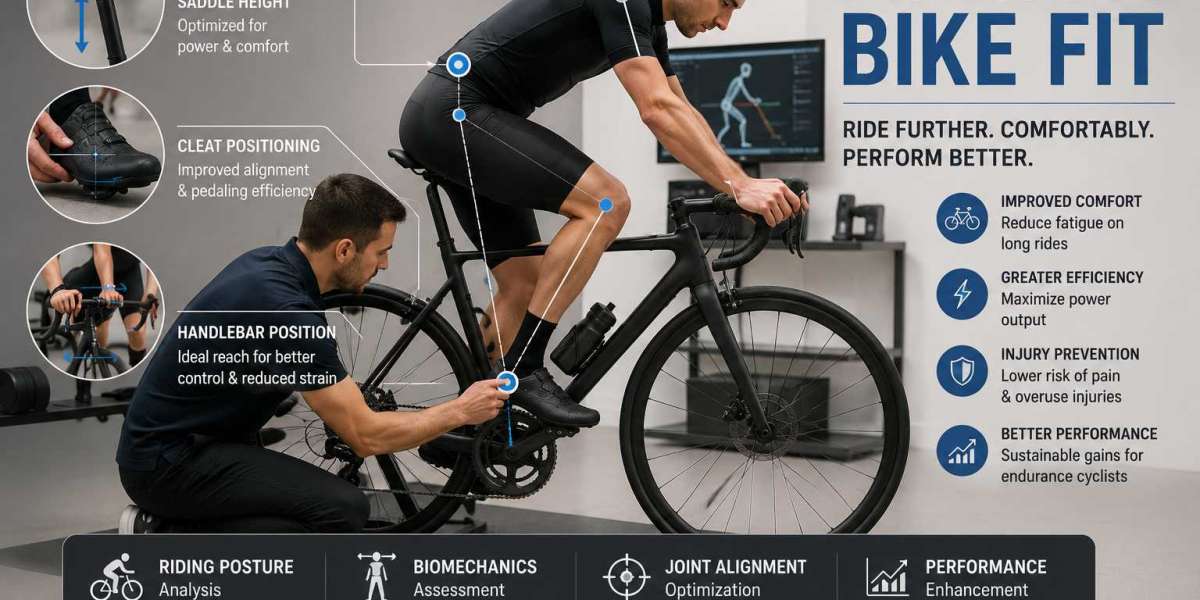

Why Endurance Cyclists Invest in Professional Bike Fit Services
Introduction
Endurance cycling has grown significantly in popularity over the past decade. From century rides and gran fondos to multi-day cycling adventures, more riders are challenging themselves with longer distances and greater training volumes.
As ride durations increase, comfort and efficiency become just as important as fitness. Even highly trained cyclists can struggle with discomfort, fatigue, and performance limitations if their bicycle is not properly adjusted to their body and riding style.
This growing awareness has led many riders to invest in a professional bike fit. Rather than viewing bike fitting as a luxury, endurance cyclists increasingly see it as a valuable tool for improving comfort, maximizing efficiency, and supporting long-term performance.
Quick Summary
A professional bike fit helps endurance cyclists ride more comfortably, reduce fatigue, improve cycling efficiency, and lower the risk of injury. By optimizing saddle position, handlebar reach, cleat alignment, and overall riding posture, cyclists can conserve energy and maintain better performance during long-distance rides.
What Is a Professional Bike Fit?
Understanding Bike Fit Services
A professional bike fit is a comprehensive assessment that adjusts a bicycle to match a rider's unique body structure, flexibility, movement patterns, and cycling goals.
The purpose is to create a position that supports comfort, efficiency, and sustainable performance.
Key Components of a Professional Bike Fit
Most professional bike fit services evaluate:
- Saddle height
- Saddle fore-aft position
- Handlebar height
- Handlebar reach
- Cleat positioning
- Riding posture
- Pedaling mechanics
- Flexibility and mobility
These adjustments work together to create a balanced and efficient riding position.
Bike Fit vs Basic Bike Setup
A basic bike setup typically focuses on general measurements and manufacturer recommendations. A professional bike fit takes a personalized approach by considering individual biomechanics, riding habits, and performance objectives.
Why Endurance Cyclists Face Unique Challenges
Long Hours in the Saddle
Endurance cyclists spend extended periods riding without significant breaks. Small positioning problems that seem insignificant on shorter rides often become major issues after several hours.
Repetitive Motion and Muscle Fatigue
Cycling requires thousands of repetitive pedal strokes during a single ride. Poor alignment can increase muscle fatigue and place unnecessary stress on joints and connective tissues.
Pressure Points and Discomfort
Improper saddle position, handlebar reach, or bike geometry can create pressure points that lead to discomfort, numbness, and reduced riding enjoyment.
Energy Loss During Long Rides
An inefficient riding position forces the body to expend additional energy. Over long distances, this wasted energy can significantly affect endurance and performance.
How Professional Bike Fit Improves Long Ride Comfort
Optimizing Saddle Position
Saddle position is one of the most important aspects of bike fitting. Proper saddle height and fore-aft adjustment help distribute weight more effectively and improve rider stability.
Improving Handlebar Reach
Handlebar reach influences comfort, control, and upper-body fatigue. A position that is too aggressive or too upright may contribute to discomfort during long rides.
Reducing Neck, Back, and Shoulder Strain
Many endurance cyclists experience tension in the neck, shoulders, and lower back. Proper bike positioning can reduce unnecessary strain and promote a more natural riding posture.
Enhancing Overall Rider Comfort
Comfort is often the primary reason cyclists seek a professional bike fit. Improved comfort allows riders to focus on performance rather than physical discomfort.
The Impact of Bike Fit on Cycling Efficiency
Maximizing Power Transfer
One of the biggest benefits of a professional bike fit is improved power transfer. When a cyclist's position is properly aligned, more energy generated by the muscles is transferred directly into the pedals.
Even small adjustments to saddle height, cleat positioning, and riding posture can improve efficiency and help riders generate power more consistently.
Improving Pedaling Mechanics
Efficient pedaling mechanics are essential for endurance cycling. A professional bike fit helps optimize joint alignment and movement patterns throughout the pedal stroke.
Improved biomechanics can reduce unnecessary movement, promote smoother pedaling, and support better overall cycling performance.
Reducing Energy Waste
Poor positioning often causes riders to compensate with inefficient movements. These compensations require additional energy and can contribute to premature fatigue.
A professional bike fit helps eliminate unnecessary motion and supports a more economical riding position.
Supporting Sustainable Performance
Endurance cycling is about maintaining performance over extended periods. By improving cycling efficiency, riders can conserve energy and sustain higher levels of performance throughout long rides and events.
Injury Prevention Benefits of Professional Bike Fitting
Preventing Knee Pain
Knee pain is one of the most common complaints among cyclists. Incorrect saddle height, poor cleat alignment, and improper riding posture can place excessive stress on the knees.
A professional bike fit helps optimize these factors to reduce unnecessary strain.
Reducing Lower Back Stress
Lower back discomfort is often linked to excessive reach, poor core engagement, or improper saddle position.
By creating a balanced riding position, a professional bike fit can help reduce lower back stress and improve overall comfort.
Avoiding Overuse Injuries
Endurance cyclists perform repetitive movements for hours at a time. Small biomechanical issues can gradually develop into overuse injuries when repeated thousands of times.
Bike fitting helps identify and correct these issues before they become more serious problems.
Supporting Long-Term Cycling Health
Many cyclists view bike fitting as a proactive investment in their long-term health. Proper alignment can help support sustainable riding habits and reduce recurring discomfort.
Key Elements Evaluated During a Professional Bike Fit
Saddle Height and Fore-Aft Position
Saddle position influences pedaling efficiency, comfort, and joint alignment. Small changes can have a significant impact on performance and rider comfort.
Cleat Alignment
Cleat positioning affects how force is transferred through the feet, ankles, knees, and hips. Proper alignment helps promote efficient movement and reduce stress on joints.
Handlebar Position
Handlebar height and reach influence upper-body comfort, breathing efficiency, and bike control.
Reach and Stack Measurements
Reach and stack measurements help determine whether a bicycle's geometry supports an appropriate riding position for the individual cyclist.
Flexibility and Mobility Assessment
Professional fitters often assess flexibility and mobility to identify limitations that may affect riding posture and comfort.
Signs You Need a Professional Bike Fit
Persistent Discomfort on Long Rides
Ongoing discomfort during rides is often a sign that adjustments may be needed.
Numb Hands or Feet
Numbness may indicate excessive pressure, poor weight distribution, or improper bike setup.
Recurring Knee or Back Pain
Repeated pain during or after cycling can be a sign of biomechanical inefficiencies that should be addressed.
Reduced Cycling Performance
Difficulty maintaining power, endurance, or comfort may indicate that a rider's position is limiting performance.
Choosing the Right Professional Bike Fit Service
Experience and Qualifications
Look for fitters who have experience working with endurance cyclists and a strong understanding of cycling biomechanics.
Technology and Motion Analysis Tools
Many modern bike fit services use motion capture systems, pressure mapping technology, and video analysis to support accurate assessments.
Personalized Rider Assessments
A quality bike fit should focus on the rider's individual needs rather than relying solely on standard measurements.
Follow-Up Support
Follow-up appointments help ensure that adjustments continue to meet the rider's needs as fitness, flexibility, and goals change over time.
The Long-Term Value of Investing in a Professional Bike Fit
Better Comfort
Comfort improvements are often noticed immediately after a professional bike fit. Reduced pressure and improved posture allow cyclists to enjoy longer rides with less discomfort.
Greater Endurance
When riders experience less fatigue and discomfort, they can maintain effort more effectively during long-distance events and training rides.
Improved Efficiency
Better positioning allows cyclists to use energy more effectively, contributing to stronger overall performance.
Lower Risk of Injury
Proper alignment and biomechanics can help reduce stress on joints and soft tissues, lowering the likelihood of common cycling-related injuries.
Conclusion
A professional bike fit is much more than a simple bicycle adjustment. It is a personalized process designed to improve comfort, efficiency, and long-term cycling performance.
For endurance cyclists, the benefits often extend beyond immediate comfort. Improved riding posture, optimized power transfer, and better cycling biomechanics can help riders conserve energy, reduce fatigue, and enjoy longer rides with greater confidence.
Whether preparing for a century ride, training for a gran fondo, or simply seeking a more comfortable riding experience, investing in a professional bike fit can provide lasting value. The connection between comfort, efficiency, and endurance performance makes bike fitting one of the most worthwhile investments a cyclist can make.
Cyclists looking to improve long-distance comfort, cycling efficiency, and overall performance can learn more through Aerro Bike Fit.
Frequently Asked Questions
1. What is a professional bike fit and why is it important?
A professional bike fit is a personalized assessment that adjusts a bicycle to match a rider's body, flexibility, and goals. It helps improve comfort, efficiency, and performance while reducing the risk of injury.
2. How does a bike fit improve cycling efficiency?
A bike fit improves alignment, pedaling mechanics, and power transfer while reducing unnecessary movement and energy waste.
3. Can a professional bike fit prevent cycling injuries?
While no bike fit can completely eliminate injury risk, proper positioning can reduce stress on joints and lower the likelihood of common overuse injuries.
4. How often should endurance cyclists get a bike fit?
Many cyclists benefit from a reassessment every one to two years or whenever significant changes occur in fitness, flexibility, equipment, or riding goals.
5. What happens during a professional bike fitting session?
A fitting session typically includes posture analysis, flexibility assessment, saddle adjustment, cleat alignment, riding position optimization, and recommendations for improving comfort and performance.
6. Is a professional bike fit worth it for recreational cyclists?
Yes. Recreational cyclists can benefit from improved comfort, greater efficiency, and a more enjoyable riding experience, especially on longer rides.